
Biplane on a Country Airstrip
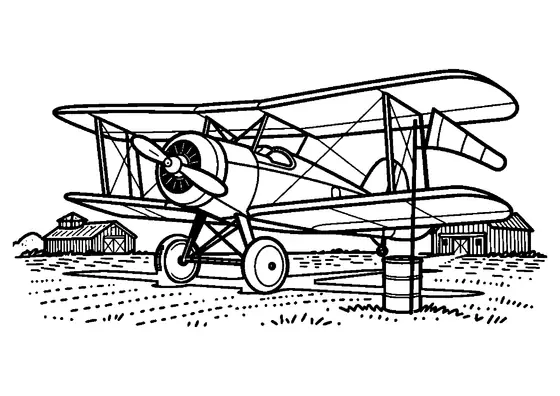
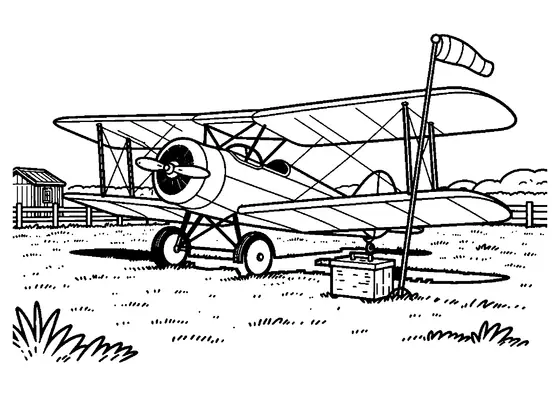
A classic biplane rests on a peaceful rural airstrip next to a traditional wooden cart and a vintage hand pump.

A4 format (landscape), black outlines on a white background · for home and classroom use
All coloring pages: Airplane Coloring Pages
Similar coloring pages: Airplane Coloring Pages



What else can you print? Free, no account needed
Custom Name Coloring Pages
Enter your child's name to generate a custom coloring page featuring large outline letters to color and decorate.
Open generator →Connect the Dots Generator
Eight connect-the-dots pictures across three difficulty levels. Features faint outline guides for younger children and dots only for older kids.
Open generator →Printables
Worksheets, tracing lines, mazes and dot-to-dots in A4.
Browse printables →
Classic Biplanes on Rural Flying Fields
A vintage double-wing aircraft is positioned on a grassy airfield set in a calm countryside location. Alongside the classic airplane stand a hand-operated water pump and a simple wooden cart, reflecting the traditional equipment found at small rural aviation grounds.
Historic Aviation and Early Airfields
Early biplanes relied on two stacked wings to generate sufficient lift at relatively low flying speeds. Rural airfields in the early decades of aviation were often simple unpaved grass fields equipped with manual tools rather than automated machinery. These quiet airstrips allowed pilots to refuel, inspect their engines, and perform routine maintenance using basic ground equipment.
Real Colors of Vintage Aircraft and Ground Equipment
- Biplane wings: Usually covered in painted canvas featuring muted yellow, cream, or silver finishes.
- Fuselage structure: Often finished in dark green, navy blue, or deep red paint.
- Propeller blades: Crafted from polished natural wood with metal tips or painted solid black.
- Wooden cart: Made of weathered brown timber with dark iron hardware.
- Hand-operated pump: Frequently cast in dark gray or olive green iron.