
Tablet in the Attic
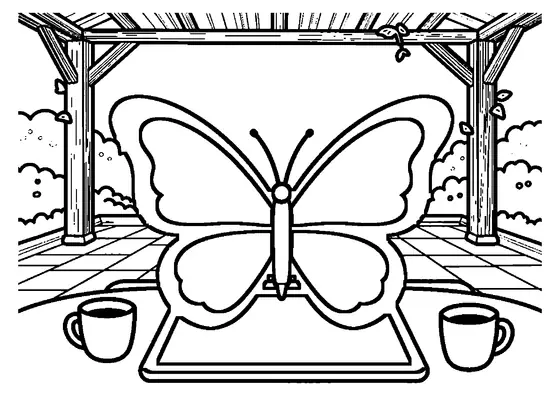
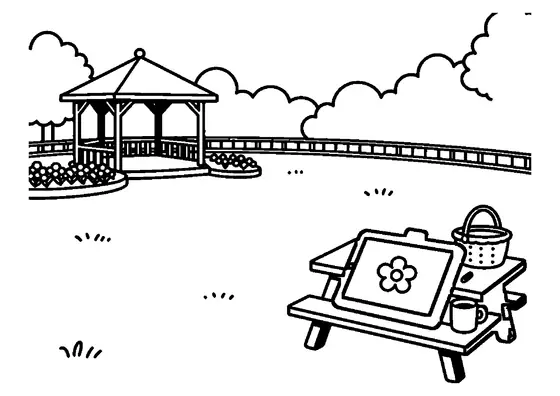
A digital graphics tablet showing a flower design rests alongside a mobile phone and stylus inside a cozy wooden attic space.

A4 format (landscape), black outlines on a white background · for home and classroom use
All coloring pages: Phone Coloring Pages
Similar coloring pages: Phone Coloring Pages




What else can you print? Free, no account needed
Custom Name Coloring Pages
Enter your child's name to generate a custom coloring page featuring large outline letters to color and decorate.
Open generator →Connect the Dots Generator
Eight connect-the-dots pictures across three difficulty levels. Features faint outline guides for younger children and dots only for older kids.
Open generator →Printables
Worksheets, tracing lines, mazes and dot-to-dots in A4.
Browse printables →
Digital Art Nook in a Quiet Attic
A tablet device depicting a flower design rests on floorboards beside a mobile phone and a digital stylus. Exposed wooden ceiling beams and a classic storage chest set the quiet attic environment.
Stylus Sensing and Attic Architecture
Attics occupy the space directly beneath a building's sloping roof, where sturdy wooden support beams bear the roof's weight. Digital styluses contain pressure sensors that send signals to the tablet screen, altering line thickness based on how hard the artist presses against the glass.
Colors of Digital Tools and Wooden Interiors
- Tablet screen background: off-white screen with colorful flower sketch
- Digital stylus pen: matte white, silver, or charcoal black
- Wooden ceiling beams: deep walnut brown or pine tan
- Storage chest: antique oak wood with brass fittings
- Wooden floorboards: warm honey brown or natural cedar