
Girl with a Phone in a Toy Museum
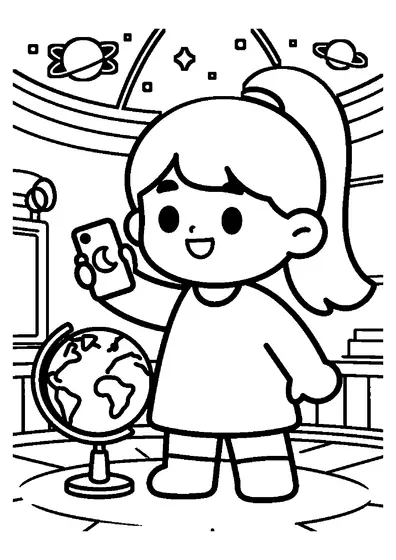
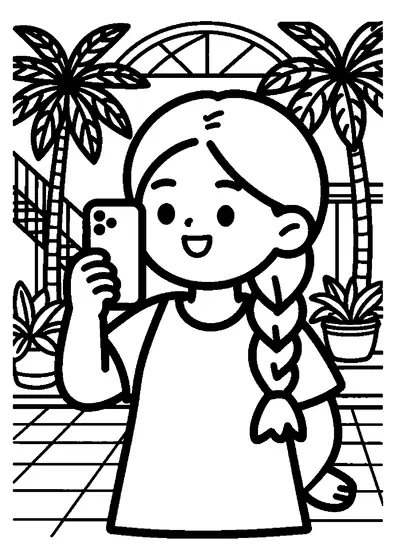
A young museum visitor holds a mobile device while examining historic playthings and collectable objects displayed in exhibition cases.

A4 format (portrait), black outlines on a white background · for home and classroom use
All coloring pages: Phone Coloring Pages
Similar coloring pages: Phone Coloring Pages


What else can you print? Free, no account needed
Custom Name Coloring Pages
Enter your child's name to generate a custom coloring page featuring large outline letters to color and decorate.
Open generator →Connect the Dots Generator
Eight connect-the-dots pictures across three difficulty levels. Features faint outline guides for younger children and dots only for older kids.
Open generator →Printables
Worksheets, tracing lines, mazes and dot-to-dots in A4.
Browse printables →
Exploring Historic Playthings in a Museum
Toy museums preserve historical play items from different eras, showcasing how children played across various centuries. Visitors walking through exhibition halls can view traditional crafts alongside modern collectable items stored behind protective display glass.
History of Toy Museums and Play Collections
The earliest dedicated toy collections originated in Europe during the nineteenth century to document cultural heritage. Wooden items, tin soldiers, and handcrafted dolls are among the oldest items preserved in these specialized institutions. Modern institutions frequently incorporate interactive digital guides that allow visitors to view archived mechanisms working without touching fragile antiques.
Natural Shades of Museum Displays and Vintage Toys
- Antique wooden toys: Warm amber, deep mahogany, or natural oak
- Vintage tin items: Bright red, yellow, or oxidized silver metal
- Glass display cabinets: Transparent crystal with dark wooden frames
- Smartphone cover: Matte black, pastel pink, or turquoise
- Museum exhibition hall floor: Polished hardwood or light gray stone