
Training Canoe with Paddle
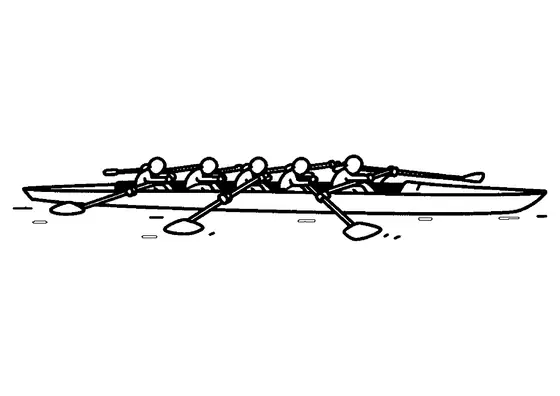
A traditional open watercraft features high side walls, an interior bench seat, and a single wooden blade paddle inside.

A4 format (landscape), black outlines on a white background · for home and classroom use
All coloring pages: Sports Coloring Pages
Similar coloring pages: Sports Coloring Pages

What else can you print? Free, no account needed
Custom Name Coloring Pages
Enter your child's name to generate a custom coloring page featuring large outline letters to color and decorate.
Open generator →Connect the Dots Generator
Eight connect-the-dots pictures across three difficulty levels. Features faint outline guides for younger children and dots only for older kids.
Open generator →Printables
Worksheets, tracing lines, mazes and dot-to-dots in A4.
Browse printables →
Features of a Traditional Canoe
A wide training canoe demonstrates the classic open-hull structure designed for stability on lakes and slow rivers. High side gunwales help prevent water splash from entering the hull, while a single paddle with a flat blade sits across the interior bench seat ready for use.
Historical Facts About Canoeing
Native North American tribes originally crafted canoes from birch bark stretched over lightweight wooden frames for wilderness transportation. Unlike kayaks which use double-bladed oars, a canoe is propelled using a single-bladed paddle shifted from side to side by the paddler. Canoeing became an official Olympic competitive sport in 1936 and remains popular for recreational lake trips.
Authentic Colors of Watercraft Equipment
- Wooden canoe hull: natural cedar brown, forest green, or dark red enamel
- Bench seat: light tan wood or woven wicker texture
- Single paddle shaft: warm oak brown or polished wooden grain
- Paddle blade: dark varnish finish or painted red tip
- Interior floorboards: light gray or unpainted natural wood