
Weather Droid with an Antenna
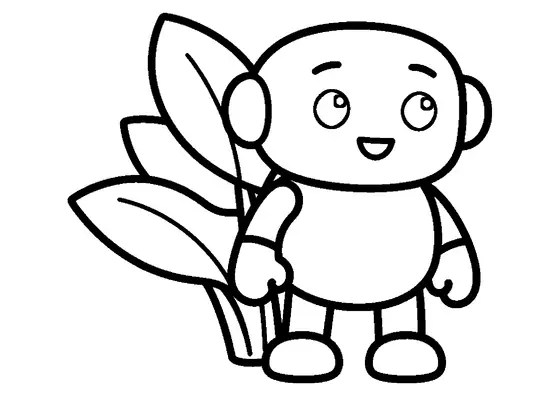
A friendly atmospheric monitor with a round head and prominent antenna tracks environmental conditions beside a solitary cloud.

A4 format (portrait), black outlines on a white background · for home and classroom use
All coloring pages: Planet and Solar System Coloring Pages
Similar coloring pages: Planet and Solar System Coloring Pages




What else can you print? Free, no account needed
Custom Name Coloring Pages
Enter your child's name to generate a custom coloring page featuring large outline letters to color and decorate.
Open generator →Connect the Dots Generator
Eight connect-the-dots pictures across three difficulty levels. Features faint outline guides for younger children and dots only for older kids.
Open generator →Printables
Worksheets, tracing lines, mazes and dot-to-dots in A4.
Browse printables →
Atmospheric Monitoring Weather Droid
This illustration shows a cheerful weather droid monitoring atmospheric conditions on a distant planet. The character features a round head, a large radio antenna, and a friendly expression while positioned near a single cloud in a calm planetary environment.
Atmospheric Weather Science on Distant Planets
Extraterrestrial clouds differ greatly from Earth's water vapor clouds, often forming from exotic chemicals like methane, ammonia, or sulfuric acid depending on atmospheric temperature and pressure. Weather droids measure wind currents, vapor density, and thermal shifts to help scientists understand climate cycles on remote worlds.
Authentic Colors of Weather Droids and Clouds
- Droid shell casing: sky blue, cloud white, or silver aluminum
- Main antenna pole: polished chrome, dark gray, or stainless steel
- Optical sensor lenses: amber orange, deep crimson, or clear cyan
- Atmospheric cloud: soft ivory white, pale lavender, or light gray