
Rescue Capsule in Space
Emergency spacecraft designed for orbit protection drift through the quiet void of outer space.

A4 format (portrait), black outlines on a white background · for home and classroom use
All coloring pages: Planet and Solar System Coloring Pages
Similar coloring pages: Planet and Solar System Coloring Pages

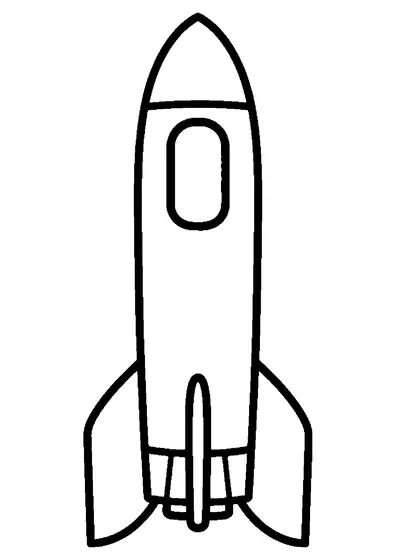
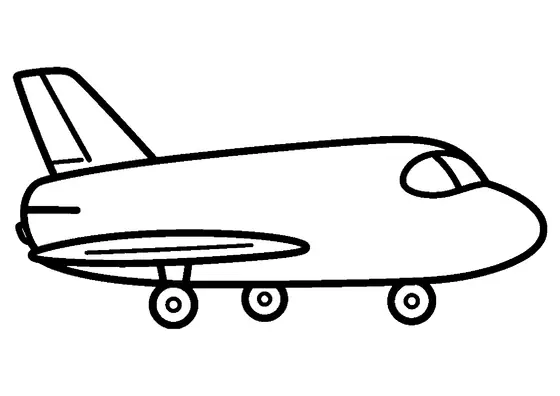


What else can you print? Free, no account needed
Custom Name Coloring Pages
Enter your child's name to generate a custom coloring page featuring large outline letters to color and decorate.
Open generator →Connect the Dots Generator
Eight connect-the-dots pictures across three difficulty levels. Features faint outline guides for younger children and dots only for older kids.
Open generator →Printables
Worksheets, tracing lines, mazes and dot-to-dots in A4.
Browse printables →
Orbital Rescue Capsules in Outer Space
A space rescue capsule provides a secure environment for crew members during unexpected orbital emergencies. Equipped with a round entry hatch and compact side-mounted engines, these specialized craft rely on dedicated propulsion systems to maneuver safely away from damaged stations or spacecraft.
How Space Rescue Pods Protect Astronauts
Orbital escape pods utilize automated navigation systems to align themselves with planetary atmospheres without human intervention. During descent, thermal shielding absorbs temperatures exceeding thousands of degrees while specialized heat sinks prevent inner cabin heating.
Real World Colors of Space Capsules
- Outer heat shield: dark gray or metallic silver
- Side engines: matte black with burnt titanium nozzles
- Hatch window framing: bright orange or high-visibility yellow
- Thruster nozzles: dark slate gray