
Triceratops in a Desert Canyon
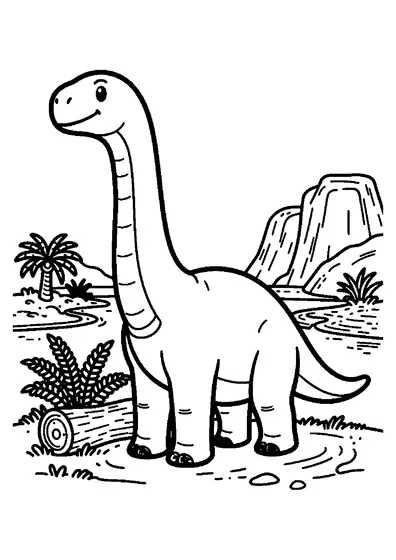
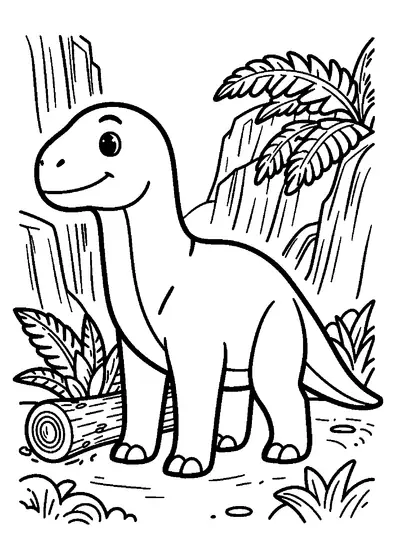
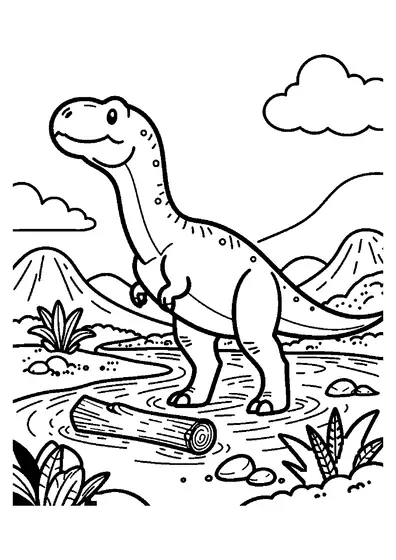
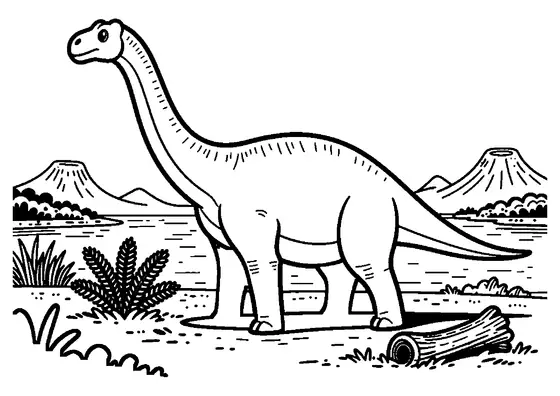
A massive Triceratops inhabits a prehistoric desert canyon surrounded by rocky boulders and a fallen tree log.

A4 format (landscape), black outlines on a white background · for home and classroom use
All coloring pages: Printable Coloring Pages for Kids
Similar coloring pages: Printable Coloring Pages for Kids


What else can you print? Free, no account needed
Custom Name Coloring Pages
Enter your child's name to generate a custom coloring page featuring large outline letters to color and decorate.
Open generator →Connect the Dots Generator
Eight connect-the-dots pictures across three difficulty levels. Features faint outline guides for younger children and dots only for older kids.
Open generator →Printables
Worksheets, tracing lines, mazes and dot-to-dots in A4.
Browse printables →
A Prehistoric Scene in a Desert Canyon
A large Triceratops rests within a wide prehistoric desert canyon. The environment features massive boulder formations and a fallen wood log set along the rugged ground of an ancient landscape.
Mysteries of the Triceratops Environment
While Triceratops lived during the Late Cretaceous period, their habitats varied from lush floodplains to dry, carved canyons. The large neck frill of Triceratops was likely used to regulate body temperature in warm climates as well as to display dominance to rivals.
Natural Colors of Dinosaurs and Earth
- Triceratops hide: Earthy brown, olive green, or grayish skin tones
- Boulders and rock walls: Red sandstone, ochre, gray, and beige stone shades
- Fallen tree log: Dark brown bark with lighter tan inner wood fibers
- Canyon ground: Dusty tan, sand yellow, and brown gravel hues