
Iguanodon on a Volcanic Plateau
An ancient prehistoric illustration features a large herbivorous Iguanodon set against a rugged prehistoric volcanic landscape.

A4 format (portrait), black outlines on a white background · for home and classroom use
All coloring pages: Printable Coloring Pages for Kids
Similar coloring pages: Printable Coloring Pages for Kids
What else can you print? Free, no account needed
Custom Name Coloring Pages
Enter your child's name to generate a custom coloring page featuring large outline letters to color and decorate.
Open generator →Connect the Dots Generator
Eight connect-the-dots pictures across three difficulty levels. Features faint outline guides for younger children and dots only for older kids.
Open generator →Printables
Worksheets, tracing lines, mazes and dot-to-dots in A4.
Browse printables →
Herbivorous Iguanodon on an Ancient Volcanic Plateau
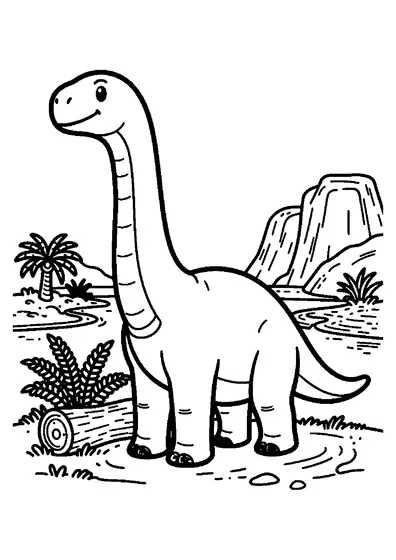
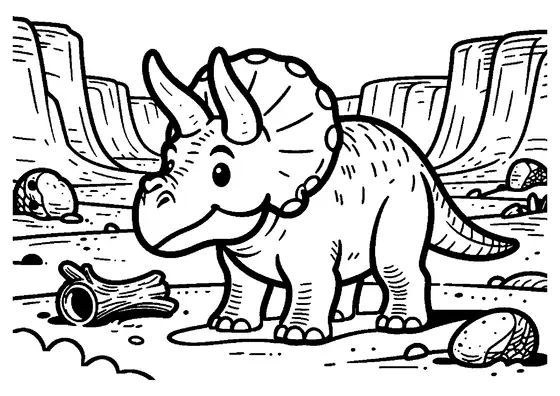
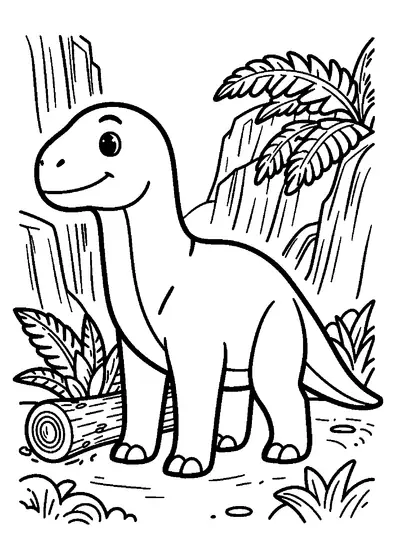
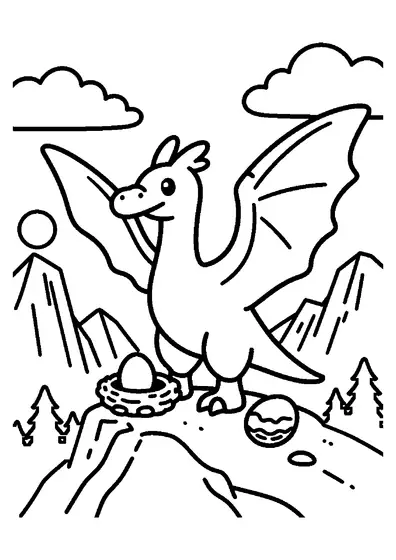
The scene portrays a large Iguanodon resting on an elevated volcanic plateau surrounded by prehistoric terrain. Natural features of the environment include scattered boulders, ancient cycad plants, and a smoking volcano rising in the background. The landscape captures an early Cretaceous atmosphere where dramatic geological activity and primitive plant life defined the natural habitat of giant reptiles.
Fascinating Facts About Iguanodon and Prehistoric Landscapes
Unlike many meat-eating dinosaurs of its era, Iguanodon had specialized thumb spikes on its front limbs that helped it defend against predators and forage for tough vegetation. Volcanic plateaus during the Early Cretaceous period were frequently enriched by mineral-rich ash, creating fertile soils where primitive cone-bearing plants and cycads thrived despite frequent volcanic eruptions.
Natural Colors of Iguanodon and Prehistoric Habitats
- Iguanodon skin: shades of olive green, dull brown, or muted gray for natural camouflage
- Cycad foliage: deep forest green and yellowish-brown on older fronds
- Volcanic rocks and boulders: dark charcoal gray, reddish-brown, and basalt black
- Volcanic smoke and ash clouds: soft gray, off-white, and dark charcoal
- Plateau soil: rich brownish-red ash and dark volcanic earth