
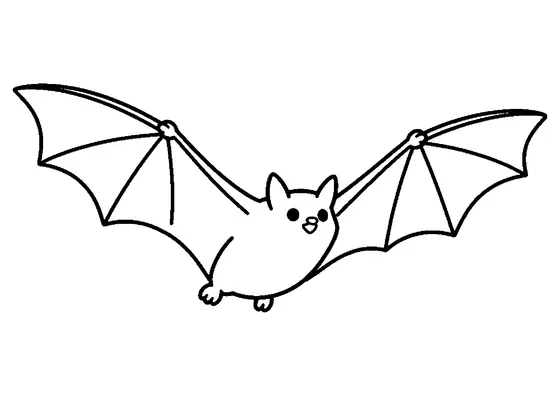
Serotine Bat Gliding
A serotine bat glides smoothly through the air with broad outstretched wings captured from a slight side angle.

A4 format (landscape), black outlines on a white background · for home and classroom use
All coloring pages: Pumpkin Coloring Pages
Similar coloring pages: Pumpkin Coloring Pages



What else can you print? Free, no account needed
Custom Name Coloring Pages
Enter your child's name to generate a custom coloring page featuring large outline letters to color and decorate.
Open generator →Connect the Dots Generator
Eight connect-the-dots pictures across three difficulty levels. Features faint outline guides for younger children and dots only for older kids.
Open generator →Printables
Worksheets, tracing lines, mazes and dot-to-dots in A4.
Browse printables →
A Serotine Bat Gliding Through the Sky
This illustration captures a serotine bat mid-flight as it glides serenely through open space. With wide wing membranes fully extended, the animal exhibits the graceful flight posture typical of larger European bat species. Positioned at a gentle angle, the silhouette highlights how the creature utilizes broad wings to travel efficiently through nocturnal skies.
Interesting Facts About Serotine Bats
The serotine bat is one of the first bat species to emerge from roosts in early evening twilight, sometimes appearing before the sun has fully set. They are skilled flyers that often hunt around streetlights, tree lines, and tall garden hedges. Their strong jaws allow them to consume large insects with tough exoskeletons, such as chafer beetles and dung beetles.
Colors of the Serotine Bat in Nature
- Back fur: Rich dark brown or glossy chestnut brown
- Underside fur: Pale yellowish brown or beige
- Broad wing membranes: Dark brown to blackish gray
- Ears and snout skin: Deep charcoal brown or black