
Wavy Easter Egg on an Art Table
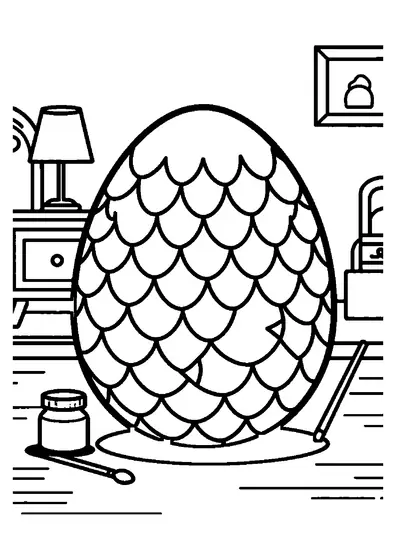
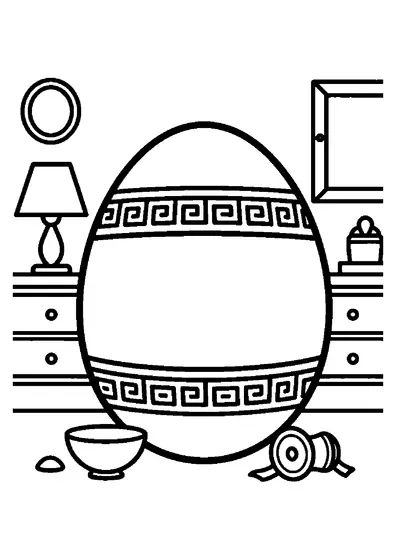
A decorated egg featuring fluid wavy patterns rests on an easel workspace table next to a painter palette.

A4 format (portrait), black outlines on a white background · for home and classroom use
All coloring pages: Easter Egg Coloring Pages
Similar coloring pages: Easter Egg Coloring Pages



What else can you print? Free, no account needed
Custom Name Coloring Pages
Enter your child's name to generate a custom coloring page featuring large outline letters to color and decorate.
Open generator →Connect the Dots Generator
Eight connect-the-dots pictures across three difficulty levels. Features faint outline guides for younger children and dots only for older kids.
Open generator →Printables
Worksheets, tracing lines, mazes and dot-to-dots in A4.
Browse printables →
Undulating Wave Patterns on a Studio Workstation
Art studios are creative workspaces filled with wooden easels, mixing tools, and artist materials. The central egg displays smooth, repeating wave lines reminiscent of rolling water currents or ocean tides. Positioned right beside the egg, a painter palette holding blobs of color reflects the artistic process of designing egg art.
Water Motifs and Artist Palettes in Art History
Wave motifs in traditional crafts symbolize liquid water, rain, and the renewal of spring rivers after winter thaws. Wooden painter palettes feature a thumb hole near one edge so painters can hold them balanced in one hand while standing at an easel. Mixing primary paint pigments directly on a flat palette surface allows artists to blend custom intermediate shades.
Authentic Colors of Studio Paint Supplies
- Wave pattern lines: deep ocean blue, aqua turquoise, seafoam green, or white
- Artist painter palette: natural birch wood yellow, pale plywood brown, or clear acrylic
- Easel table top: stained pine wood, dark walnut, or splatter-marked timber
- Paint blobs on palette: cadmium red, cobalt blue, lemon yellow, and emerald green
- Egg background shell: light sea blue, turquoise, or soft aqua