
Snowdrop Flower Drooping Head
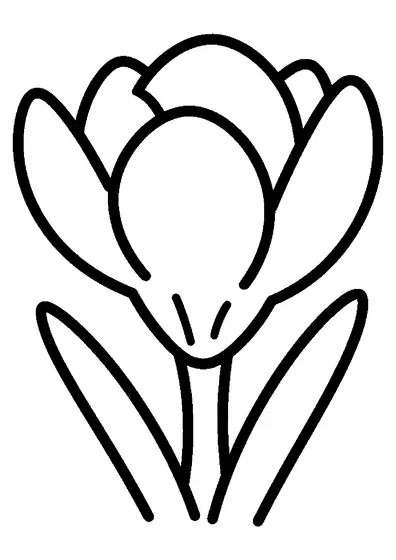
As a gentle harbinger of spring, the snowdrop features a single drooping bell-shaped flower alongside long leaves.

A4 format (portrait), black outlines on a white background · for home and classroom use
All coloring pages: Easter Bunny Coloring Pages
Similar coloring pages: Easter Bunny Coloring Pages



What else can you print? Free, no account needed
Custom Name Coloring Pages
Enter your child's name to generate a custom coloring page featuring large outline letters to color and decorate.
Open generator →Connect the Dots Generator
Eight connect-the-dots pictures across three difficulty levels. Features faint outline guides for younger children and dots only for older kids.
Open generator →Printables
Worksheets, tracing lines, mazes and dot-to-dots in A4.
Browse printables →
Graceful Snowdrop Flower in Early Spring
A snowdrop flower hangs downward with its characteristic drooping, bell-shaped head. Long leaves extend upward from the base of the plant to surround the gentle spring blossom.
Surprising Facts About Snowdrop Flowers
Snowdrops contain a natural antifreeze protein in their cells that prevents ice crystals from damaging their plant tissue during hard frosts. Even if a heavy spring snowstorm covers the plant completely, the flower stem bends gracefully and recovers as soon as the snow melts. Their white petals feature tiny green markings on the inner segments that guide visiting insects to pollen.
Natural Colors of a Snowdrop
- Outer Snowdrop Petals: Pure snow white
- Inner Petal Tips: Small lime green markings or inverted V-shapes
- Drooping Flower Stem: Light green with a pale sheath
- Long Leaves: Deep grayish-green or forest green