
Primrose with Wide Leaves
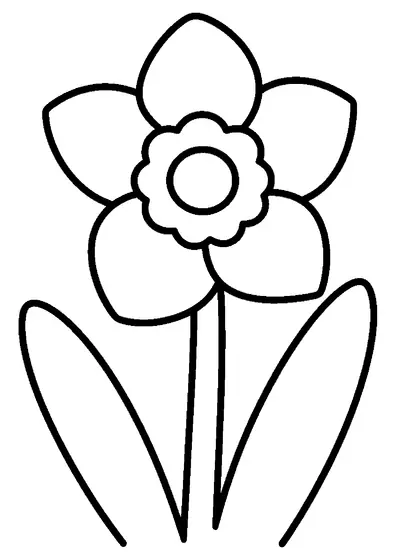
A cheerful spring primrose showcases a single flower with a clear center set above a rosette of wide leaves.

A4 format (landscape), black outlines on a white background · for home and classroom use
All coloring pages: Easter Bunny Coloring Pages
Similar coloring pages: Easter Bunny Coloring Pages


What else can you print? Free, no account needed
Custom Name Coloring Pages
Enter your child's name to generate a custom coloring page featuring large outline letters to color and decorate.
Open generator →Connect the Dots Generator
Eight connect-the-dots pictures across three difficulty levels. Features faint outline guides for younger children and dots only for older kids.
Open generator →Printables
Worksheets, tracing lines, mazes and dot-to-dots in A4.
Browse printables →
Primrose Flower with Broad Leaves
The primrose features a prominent flower with a clear center surrounding its core. A rosette of wide, broad leaves spreads around the base of the spring bloom.
Unique Characteristics of Primroses
The name primrose derives from the Latin phrase prima rosa, which translates directly to the first rose of spring, despite the plant not being related to true roses. Primroses thrive in damp, shady woodlands and hedgerows across temperate regions where moist soil stays cool. Certain wild varieties produce two distinct flower forms, known as pin and thrum, to encourage cross-pollination between different plants.
Real Colors of a Woodland Primrose
- Primrose Petals: Pale yellow, cream, deep pink, violet, or crimson
- Clear Flower Center: Bright golden yellow or orange ring
- Rosette of Wide Leaves: Medium olive green with lighter green veins
- Central Stem Base: Pale brownish-green