
Squirrel in a Rock Garden Full of Bellflowers
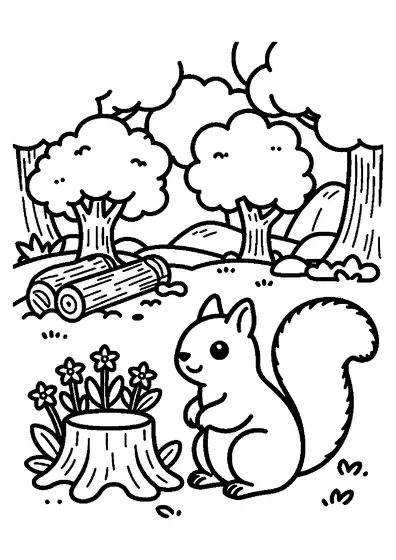
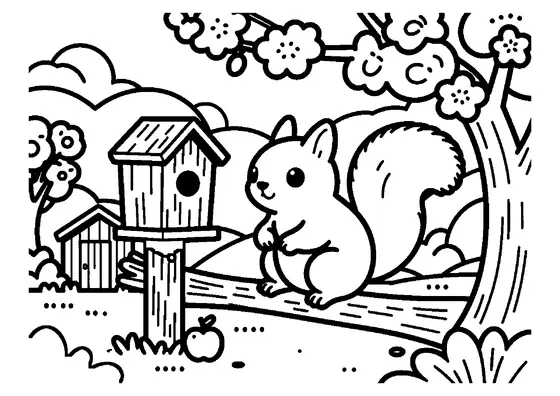
An alpine rock garden provides a quiet outdoor background for a squirrel sitting among bellflowers.

A4 format (landscape), black outlines on a white background · for home and classroom use
All coloring pages: Flower Coloring Pages
Similar coloring pages: Flower Coloring Pages




What else can you print? Free, no account needed
Custom Name Coloring Pages
Enter your child's name to generate a custom coloring page featuring large outline letters to color and decorate.
Open generator →Connect the Dots Generator
Eight connect-the-dots pictures across three difficulty levels. Features faint outline guides for younger children and dots only for older kids.
Open generator →Printables
Worksheets, tracing lines, mazes and dot-to-dots in A4.
Browse printables →
A Squirrel Among Alpine Bellflowers
A bushy-tailed squirrel rests on a smooth stone situated within an alpine rock garden. Blossoming bellflowers grow alongside the rocky terrain, showing how delicate wild flora thrives in stony environments.
Facts About Rock Gardens and Alpine Wildlife
Alpine bellflowers feature stem structures adapted to resist harsh winds and poor soil conditions found in elevated stone habitats. Tree squirrels frequently explore stony terrain in search of buried seeds, fallen nuts, or small plant roots. Rock gardens mimic natural mountainous slopes, providing natural drainage that helps low-growing alpine flowers bloom throughout warmer months.
Real World Colors of Bellflowers and Squirrels
- Tree squirrel fur: reddish brown, gray, or warm copper
- Squirrel tail fur: mixed brown, tan, and dark gray
- Bellflower petals: deep violet, soft blue, or lavender
- Bellflower foliage: deep green or olive green
- Garden rocks and stones: cool gray, slate blue, or muted granite beige