
Ladybug on a Wild Rosebud
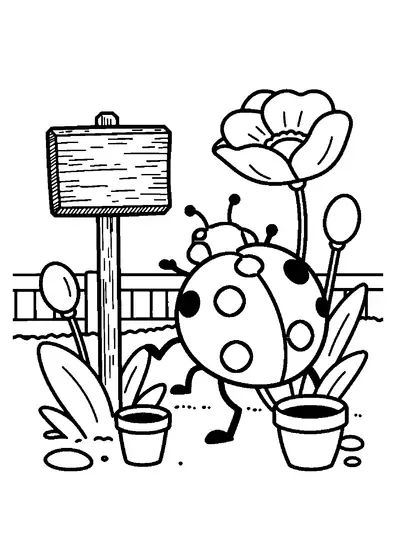
This garden page depicts a small ladybug resting on a fresh wild rosebud next to a wooden fence.

A4 format (landscape), black outlines on a white background · for home and classroom use
All coloring pages: Flower Meadow Coloring Pages
Similar coloring pages: Flower Meadow Coloring Pages


What else can you print? Free, no account needed
Custom Name Coloring Pages
Enter your child's name to generate a custom coloring page featuring large outline letters to color and decorate.
Open generator →Connect the Dots Generator
Eight connect-the-dots pictures across three difficulty levels. Features faint outline guides for younger children and dots only for older kids.
Open generator →Printables
Worksheets, tracing lines, mazes and dot-to-dots in A4.
Browse printables →
Ladybug and Country Fence Scene
Wild climbing roses often attach themselves to wooden garden fences in rural countryside areas. Small beneficial insects like ladybugs crawl along delicate flower stems and buds, searching for tiny pests among lush green leaves.
Beneficial Insects in Garden Habitats
Ladybugs are natural gardeners that protect flowering shrubs by eating aphids and other soft-bodied plant pests. A single ladybug can consume thousands of destructive insects throughout its lifetime. Wild roses produce simple five-petaled blossoms followed by nutrient-rich rose hips that feed birds during autumn and winter.
Real Colors of Garden Insects and Roses
- Ladybug wing covers: Vibrant red or orange with solid black spots
- Ladybug head and legs: Glossy black with tiny white markings
- Wild rosebud: Pale pink or soft red with green sepals
- Wooden fence: Weathered gray or warm timber brown
- Rose foliage: Medium green with reddish stem accents