
Caterpillar on a Wild Hollyhock in the Garden
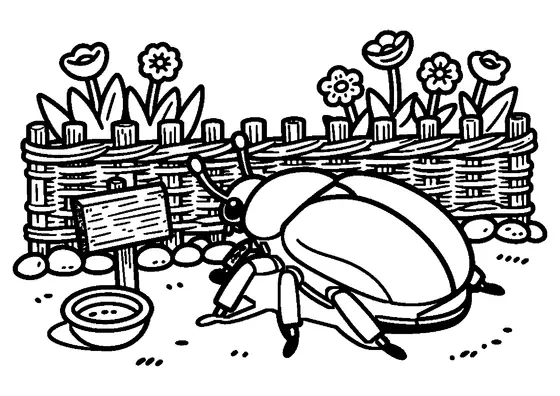
A sandy caterpillar explores a wild hollyhock plant near a brick garden wall.

A4 format (landscape), black outlines on a white background · for home and classroom use
All coloring pages: Flower Meadow Coloring Pages
Similar coloring pages: Flower Meadow Coloring Pages



What else can you print? Free, no account needed
Custom Name Coloring Pages
Enter your child's name to generate a custom coloring page featuring large outline letters to color and decorate.
Open generator →Connect the Dots Generator
Eight connect-the-dots pictures across three difficulty levels. Features faint outline guides for younger children and dots only for older kids.
Open generator →Printables
Worksheets, tracing lines, mazes and dot-to-dots in A4.
Browse printables →
A Caterpillar Crawling Across a Garden Hollyhock
In a quiet garden setting, a caterpillar makes its way along the sturdy stem of a flowering hollyhock plant. A garden wall stands nearby, creating a classic outdoor backyard scene where small insects often find food and shelter.
Fascinating Facts About Hollyhocks and Caterpillars
Wild hollyhocks are popular host plants for various caterpillar species, providing both abundant leaves to feed on and sturdy stalks for climbing. As these larvae feed continuously, they store essential energy needed to undergo metamorphosis inside a protective chrysalis. Garden walls often absorb heat during the day, creating a warm microclimate where garden insects thrive.
Natural Colors of the Caterpillar and Plant
- Caterpillar body: sandy brown, green, or patterned with dark stripes
- Hollyhock stem and leaves: vibrant green or olive tone
- Hollyhock flowers: shades of pink, red, yellow, or pure white
- Garden wall: warm red brick, muted gray stone, or weathered tan