
Caterpillar on a Nasturtium Leaf in the Garden
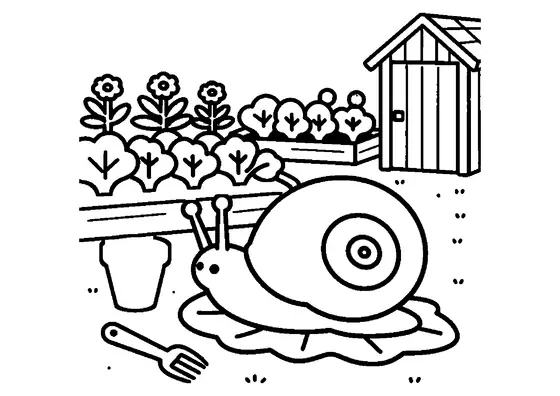
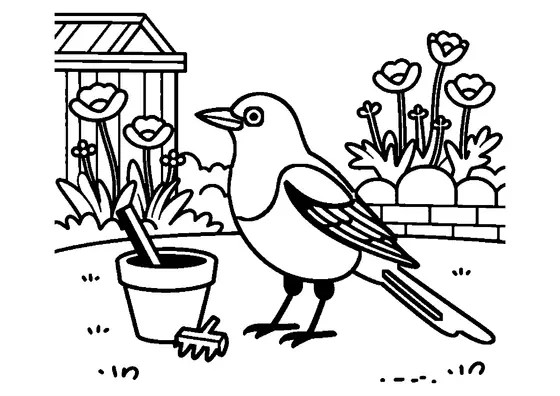
A spotted caterpillar travels across the wide circular leaf of a flowering nasturtium plant in a vibrant summer garden.

A4 format (landscape), black outlines on a white background · for home and classroom use
All coloring pages: Flower Meadow Coloring Pages
Similar coloring pages: Flower Meadow Coloring Pages


What else can you print? Free, no account needed
Custom Name Coloring Pages
Enter your child's name to generate a custom coloring page featuring large outline letters to color and decorate.
Open generator →Connect the Dots Generator
Eight connect-the-dots pictures across three difficulty levels. Features faint outline guides for younger children and dots only for older kids.
Open generator →Printables
Worksheets, tracing lines, mazes and dot-to-dots in A4.
Browse printables →
A Caterpillar Crawling on Nasturtium Foliage
Nasturtiums are beloved garden flowers known for their unique saucer-shaped leaves and edible, peppery blossoms. Hungry caterpillars often make these leafy plants their home, munching on foliage as they prepare for metamorphosis. Watching these small larvae navigate round green stems offers a fascinating glimpse into backyard garden ecosystems.
Curiosities About Nasturtiums and Insects
Nasturtium leaves possess a water-repellent surface that causes raindrops to bead up and roll off, taking dirt with them. Gardeners often plant nasturtiums near vegetable patches because they attract white butterfly caterpillars away from crops like cabbage. The sharp, mustard-like taste of nasturtium foliage comes from natural defense oils meant to deter pests.
Natural Colors of the Caterpillar and Nasturtium
- Caterpillar body: lime green or yellow with black spots
- Caterpillar stripes: soft yellow or white lateral bands
- Nasturtium leaf: bright disc green with pale radial veins
- Nasturtium flower: vibrant orange, yellow, or deep red
- Nasturtium stem: translucent pale green