
Princess in a Ruffled Gown by the Castle Well
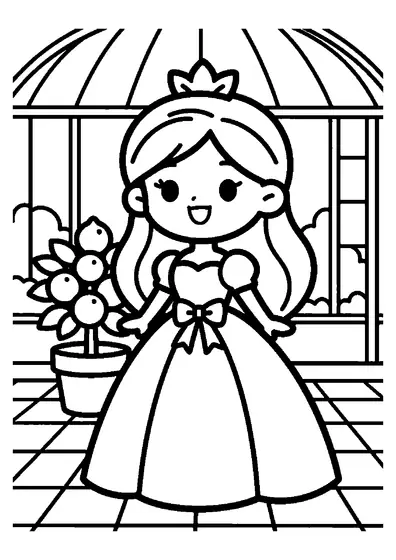
A royal lady clad in a gown decorated with ruffled layers stands beside a carved stone well within a castle courtyard.

A4 format (portrait), black outlines on a white background · for home and classroom use
All coloring pages: Princess Coloring Pages
Similar coloring pages: Princess Coloring Pages




What else can you print? Free, no account needed
Custom Name Coloring Pages
Enter your child's name to generate a custom coloring page featuring large outline letters to color and decorate.
Open generator →Connect the Dots Generator
Eight connect-the-dots pictures across three difficulty levels. Features faint outline guides for younger children and dots only for older kids.
Open generator →Printables
Worksheets, tracing lines, mazes and dot-to-dots in A4.
Browse printables →
A Princess beside an Ornate Castle Water Well
This composition shows a princess wearing an elegant dress with layered ruffles as she stands next to a decorative stone water well. The stone structure features detailed carving work typical of historical palace architecture. In the surrounding castle courtyard, architectural elements create a traditional medieval stone setting.
Water Wells in Historical Fortresses
Deep stone wells were essential to castle survival, ensuring a reliable clean water supply during everyday life and prolonged military sieges. Builders dug well shafts deep into bedrock until reaching groundwater aquifers, often constructing ornate stone parapets and pulley systems above ground level to draw buckets smoothly.
Authentic Colors of Castle Architecture and Fabrics
- Ruffled gown: Lilac purple, sky blue, peach coral, or creamy ivory fabric
- Stone well: Weathered gray limestone, warm sandstone tan, or slate gray
- Iron well fittings: Dark charcoal gray, rusted brown, or forged black iron
- Castle courtyard walls: Light gray granite blocks with green moss accents
- Water: Cool aquamarine blue, clear crystal reflective blue, or deep teal