
Mermaid Swimming Past a Stone Chest and Trident
A smiling braided mermaid glides past ancient underwater ruins, a stone chest, and a trident on the seabed.

A4 format (landscape), black outlines on a white background · for home and classroom use
All coloring pages: Mermaid Coloring Pages
Similar coloring pages: Mermaid Coloring Pages
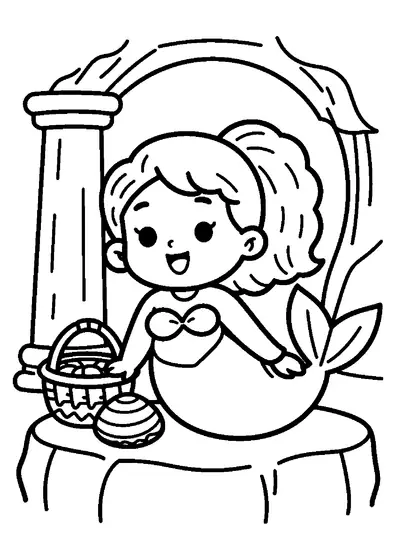

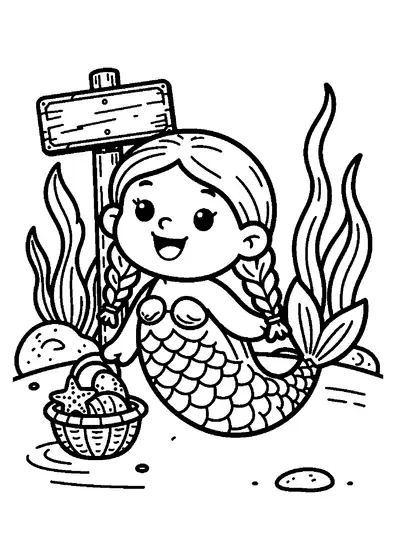
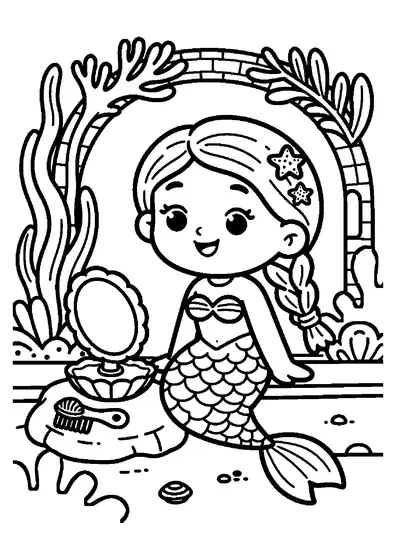


What else can you print? Free, no account needed
Custom Name Coloring Pages
Enter your child's name to generate a custom coloring page featuring large outline letters to color and decorate.
Open generator →Connect the Dots Generator
Eight connect-the-dots pictures across three difficulty levels. Features faint outline guides for younger children and dots only for older kids.
Open generator →Printables
Worksheets, tracing lines, mazes and dot-to-dots in A4.
Browse printables →
Mermaid Exploring Underwater Ruins
Mythological ocean legends describe mermaids inhabiting sunken cities and hidden sea caverns filled with ancient artifacts. Stone chests submerged for centuries gradually collect ocean flora and mineral deposits on the ocean floor. Tridents, traditionally associated with sea deities, rest quietly amidst stone columns buried in soft seabed sand.
Ocean Folklore and Sunken Antiquities
Tales of aquatic humanoids appear in sailor lore from ancient Mesopotamia through classical Mediterranean civilizations. Real underwater ruins often form when sea levels rise or coastal earthquakes submerge stone harbor structures. Over time, submerged stone carvings become artificial reefs that shelter diverse marine life.
Realistic Colors of Submerged Artifacts and Seabeds
- Mermaid tail: Iridescent ocean green, turquoise, or shimmering sapphire
- Braided hair: Golden blonde, auburn brown, or raven black
- Ancient stone chest: Muted slate gray with green moss and algae growth
- Trident: Tarnished bronze, weathered brass, or sea-aged copper green
- Seabed sand: Pale ivory, beige, or golden sand tones