
Mermaid with a Comb at a Coral Vanity
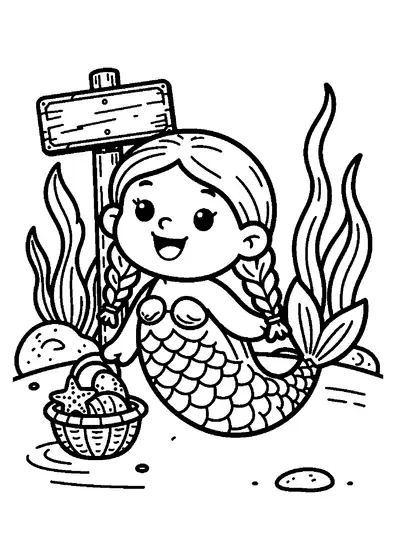
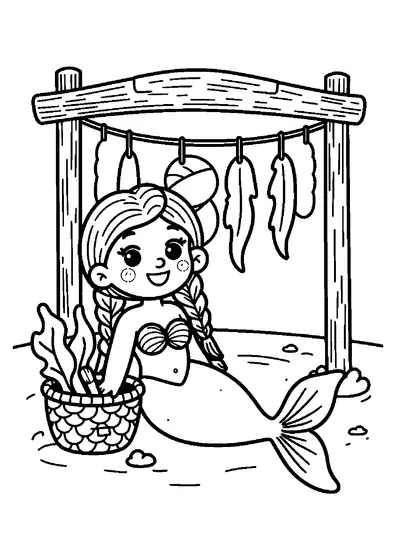
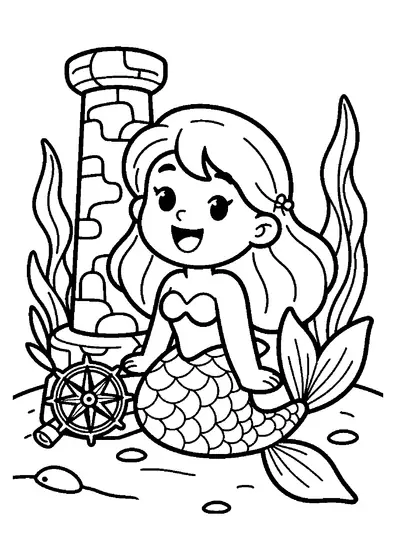
A smiling mermaid arranges her hair with a comb while sitting at a coral vanity with a shell mirror on a reef.

A4 format (portrait), black outlines on a white background · for home and classroom use
All coloring pages: Mermaid Coloring Pages
Similar coloring pages: Mermaid Coloring Pages



What else can you print? Free, no account needed
Custom Name Coloring Pages
Enter your child's name to generate a custom coloring page featuring large outline letters to color and decorate.
Open generator →Connect the Dots Generator
Eight connect-the-dots pictures across three difficulty levels. Features faint outline guides for younger children and dots only for older kids.
Open generator →Printables
Worksheets, tracing lines, mazes and dot-to-dots in A4.
Browse printables →
Underwater Mermaid at Her Coral Vanity
A smiling mermaid grooms her long hair using a comb beside a decorative vanity crafted from natural ocean coral. Positioned on an underwater reef, the dressing table includes a polished shell-shaped mirror. Coral structures form natural habitats in shallow tropical ocean waters, providing colorful shelter for aquatic life.
Ocean Myths and Coral Reef Ecology
Mermaid legends have appeared in maritime folklore for thousands of years across coastal cultures worldwide. In oceanic ecosystems, stony corals build calcium carbonate skeletons that create intricate underwater reefs. These living reef structures support thousands of marine species, forming some of the most diverse environments on Earth.
Real World Colors of Coral Reefs and Shells
- Brain coral and branching coral: vibrant pink, purple, neon green, or warm orange
- Scallop or clam mirror frame shell: soft pearl white, pastel pink, or light yellow
- Mermaid tail scales: iridescents of emerald green, seafoam blue, or shimmering violet
- Ocean reef sea water: clear turquoise, deep azure, or bright sea blue
- Natural sea sponge or comb: sandy tan, light yellow, or coral pink