
Mermaid Planting Seagrass by a Clay Pitcher
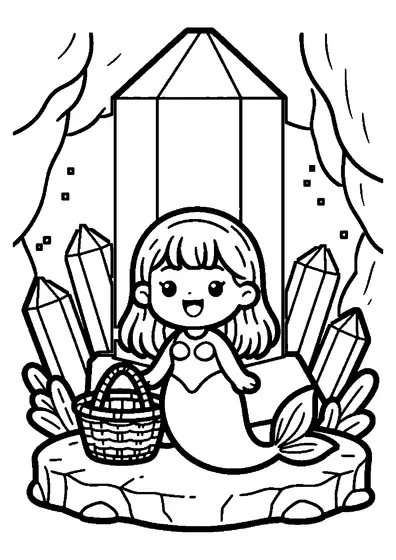
An ecological marine scene portrays a mermaid setting new shoots of seagrass into the seabed beside a sunken clay amphora.

A4 format (landscape), black outlines on a white background · for home and classroom use
All coloring pages: Mermaid Coloring Pages
Similar coloring pages: Mermaid Coloring Pages



What else can you print? Free, no account needed
Custom Name Coloring Pages
Enter your child's name to generate a custom coloring page featuring large outline letters to color and decorate.
Open generator →Connect the Dots Generator
Eight connect-the-dots pictures across three difficulty levels. Features faint outline guides for younger children and dots only for older kids.
Open generator →Printables
Worksheets, tracing lines, mazes and dot-to-dots in A4.
Browse printables →
Seagrass Restoration and Sunken Clay Artifacts
In this underwater scene, a mermaid plants fresh seagrass shoots adjacent to a sunken clay pitcher resting on the ocean bed. Seagrass meadows form critical marine ecosystems that trap carbon, stabilize marine sediment, and produce oxygen for sea life. Sunken clay amphoras from ancient shipwrecks often serve as artificial reefs, giving plant roots and tiny organisms a stable base to cling to.
Environmental Facts About Seagrass and Historic Artifacts
Seagrasses are true flowering plants that grew on land millions of years ago before adapting to fully submerged ocean life. Unlike seaweeds, seagrasses possess roots, stems, leaves, and produce flowers and seeds under water. Clay pitchers and ceramic jars preserved in saltwater can endure for thousands of years, providing historians with clues about ancient maritime trade routes.
Authentic Colors of Marine Plants and Antique Clay
- Mermaid tail: Seafoam green, deep teal, jade, or warm copper iridescent scales
- Seagrass shoots: Bright lime green, olive, emerald, and deep forest green blade tones
- Sunken clay pitcher: Terracotta orange, rust brown, sandy tan, or muted gray clay finish
- Ocean floor sediment: Warm beige, pale gray, and muted blue underwater background