
Mermaid Drying Seaweed on an Underwater Ladder
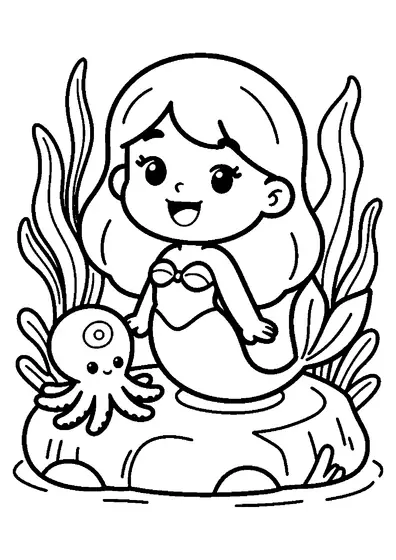
Seaweed farming beneath the ocean surface comes to life through a mermaid arranging ocean plants on a wooden ladder.

A4 format (landscape), black outlines on a white background · for home and classroom use
All coloring pages: Mermaid Coloring Pages
Similar coloring pages: Mermaid Coloring Pages


What else can you print? Free, no account needed
Custom Name Coloring Pages
Enter your child's name to generate a custom coloring page featuring large outline letters to color and decorate.
Open generator →Connect the Dots Generator
Eight connect-the-dots pictures across three difficulty levels. Features faint outline guides for younger children and dots only for older kids.
Open generator →Printables
Worksheets, tracing lines, mazes and dot-to-dots in A4.
Browse printables →
Mythical Ocean Life and Underwater Seaweed Harvesting
An ocean fantasy scene features a mermaid handling harvested marine plants deep below the surface. Submerged wooden structures provide support for drying seaweed in ocean currents, capturing a unique aspect of fantasy marine life.
How Marine Vegetation Grows and Functions Underwater
Seaweed lacks traditional roots, relying instead on specialized structures called holdfasts to anchor to rocks or submerged wood. Marine algae absorb nutrients directly from seawater through their fronds rather than pulling food from soil. Coastal species of brown and red algae form vast underwater meadows that shelter juvenile marine creatures.
Natural Colors of Seaweed and Submerged Elements
- Mermaid tail: Iridescent green, turquoise, or deep navy blue
- Seaweed fronds: Dark olive green, golden brown, or reddish purple
- Wooden ladder: Muted brown, weathered gray, or tan
- Ocean water: Soft blue, teal, or light cyan