
Pouch by a Castle Bench
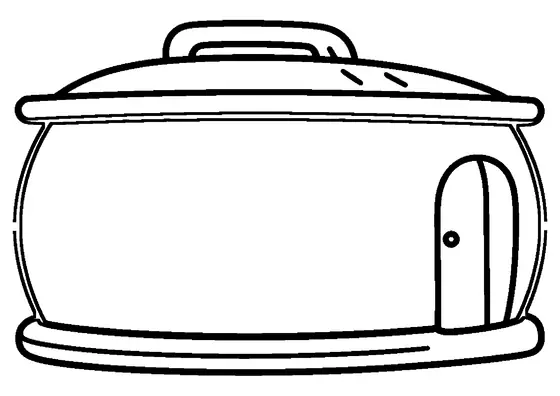
A soft pouch rests quietly on the ground alongside a sturdy timber castle bench.

A4 format (landscape), black outlines on a white background · for home and classroom use
All coloring pages: Knights and Castles Coloring Pages
Similar coloring pages: Knights and Castles Coloring Pages



What else can you print? Free, no account needed
Custom Name Coloring Pages
Enter your child's name to generate a custom coloring page featuring large outline letters to color and decorate.
Open generator →Connect the Dots Generator
Eight connect-the-dots pictures across three difficulty levels. Features faint outline guides for younger children and dots only for older kids.
Open generator →Printables
Worksheets, tracing lines, mazes and dot-to-dots in A4.
Browse printables →
Resting Pouch Beside a Castle Bench
A leather pouch sits on the floor next to a simple wooden castle bench. Benches placed along castle walls or in courtyard hallways provided places for visitors, guards, and tradespeople to rest during daily activities.
Furniture and Seating in Medieval Castles
Castle furniture was built to be sturdy and easy to move between rooms as needed. Benches were usually constructed by carpenters from heavy planks of local wood like oak, pine, or beech, often joined together with wooden pegs instead of metal nails. Servants, travelers, and residents frequently placed their personal bags and pouches on the floor beside seating areas while dining or resting.
Colors of Pouch and Wooden Furniture
- Pouch body: medium tan or rich saddle brown
- Bench timber top: warm oak brown or deep amber
- Bench support legs: dark walnut brown with gray wood grain
- Shadow beneath bench: dark earthy brown