
Gardener's Vegetable Basket
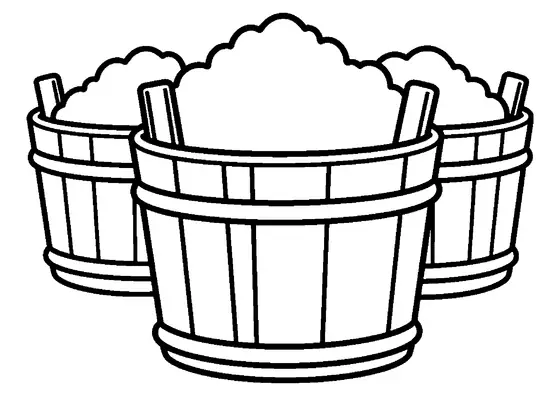
Harvested garden vegetables gathered in sturdy woven containers provided nutritious meals and essential food stores for castle households.

A4 format (portrait), black outlines on a white background · for home and classroom use
All coloring pages: Knights and Castles Coloring Pages
Similar coloring pages: Knights and Castles Coloring Pages



What else can you print? Free, no account needed
Custom Name Coloring Pages
Enter your child's name to generate a custom coloring page featuring large outline letters to color and decorate.
Open generator →Connect the Dots Generator
Eight connect-the-dots pictures across three difficulty levels. Features faint outline guides for younger children and dots only for older kids.
Open generator →Printables
Worksheets, tracing lines, mazes and dot-to-dots in A4.
Browse printables →
Fresh Harvest Baskets and Castle Gardens
Castle gardeners tended dedicated plots within or near fortress walls to cultivate seasonal produce for the community. Carrying freshly picked crops in hand-woven wicker baskets protected delicate leaves and root vegetables during transport from garden beds to kitchen storerooms. Sharing harvested food among residents ensured balanced nutrition throughout changing seasons.
Facts About Historical Vegetable Gardens
Medieval castle gardens relied on companion planting, growing aromatic herbs alongside vegetables to deter pests naturally without modern chemicals. Root crops like carrots, turnips, and onions were essential staples because they could be stored in cool stone cellars for months. Gardeners harvested crops early in the morning when moisture content was highest to keep produce crisp.
Natural Colors of Garden Vegetables and Produce
- Root vegetables like carrots: bright orange or pale purple
- Leafy garden greens: vibrant forest green or deep olive
- Garden onions and garlic: papery white, pale yellow, or reddish purple
- Woven garden basket: natural reed beige, olive brown, or golden tan