
Bucket by the Stone Well
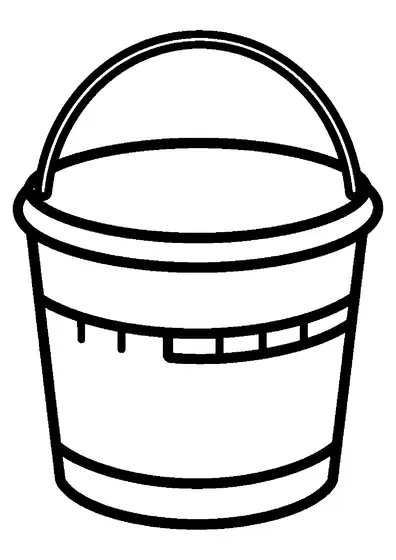
Courtyard stone wells accompanied by wooden buckets provided fresh groundwater for daily life inside fortress grounds.

A4 format (landscape), black outlines on a white background · for home and classroom use
All coloring pages: Knights and Castles Coloring Pages
Similar coloring pages: Knights and Castles Coloring Pages



What else can you print? Free, no account needed
Custom Name Coloring Pages
Enter your child's name to generate a custom coloring page featuring large outline letters to color and decorate.
Open generator →Connect the Dots Generator
Eight connect-the-dots pictures across three difficulty levels. Features faint outline guides for younger children and dots only for older kids.
Open generator →Printables
Worksheets, tracing lines, mazes and dot-to-dots in A4.
Browse printables →
Stone Well and Water Bucket Scene
A water well built with sturdy stone blocks was often situated in the central courtyard of a castle to guarantee a clean water supply. Resting a wooden bucket along the stone rim was a familiar sight for servants gathering water for cooking, cleaning, and livestock.
Castle Wells in Medieval Architecture
Well shafts inside castle courtyards were dug deep into the ground to reach natural aquifers below stone foundations. Having an internal water source ensured that inhabitants could survive long periods during sieges without relying on external streams.
Real Colors of a Castle Well
- Well stones: light gray, slate gray, or mossy brown
- Wooden bucket: natural oak or chestnut brown
- Bucket hoops: dark iron gray
- Well mortar: dull off-white or light gray