
Goldilocks in the Three Bears’ Dining Room
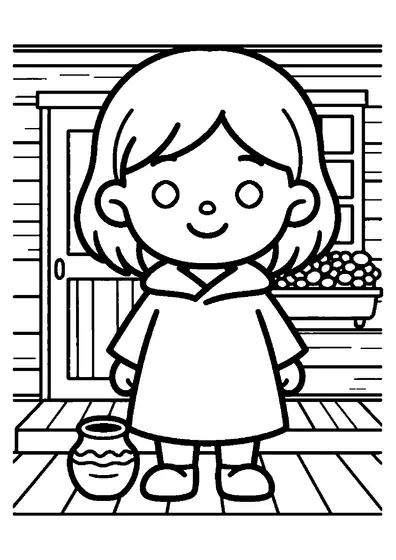
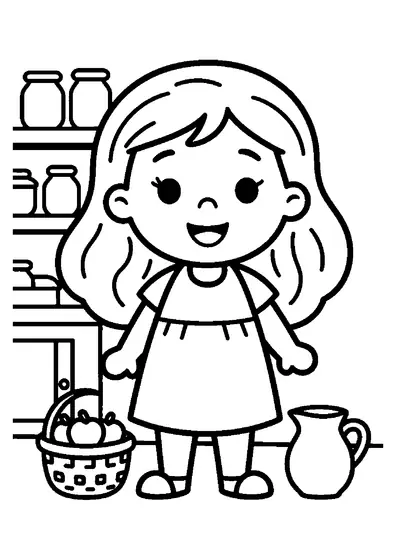
Goldilocks pauses near a wooden dining table set with bowls of warm porridge inside the cozy cottage of the Three Bears.

A4 format (landscape), black outlines on a white background · for home and classroom use
All coloring pages: Fairy Tale Coloring Pages
Similar coloring pages: Fairy Tale Coloring Pages


What else can you print? Free, no account needed
Custom Name Coloring Pages
Enter your child's name to generate a custom coloring page featuring large outline letters to color and decorate.
Open generator →Connect the Dots Generator
Eight connect-the-dots pictures across three difficulty levels. Features faint outline guides for younger children and dots only for older kids.
Open generator →Printables
Worksheets, tracing lines, mazes and dot-to-dots in A4.
Browse printables →
Goldilocks Visiting the Dining Room of the Cottage
Goldilocks stands inside the cozy dining space of the forest cottage. Beside her, a set of porridge bowls sits upon the dining table, capturing the classic fairy-tale scene prior to the bears' return.
The History of Porridge and Cottage Architecture
Porridge made from boiled crushed grains like oats has served as a stable breakfast meal in northern Europe for thousands of years. Traditional forest cottages featured central dining rooms where families gathered around sturdy wooden furniture crafted from local timber. Serving bowls were frequently carved from dense hardwoods like birch or maple to retain heat while cooling slowly.
Realistic Colors of Classic Dining Items and Interiors
- Porridge bowls: warm terracotta clay or carved reddish-brown wood
- Cooked oat porridge: creamy off-white or light tan
- Dining table: rich oak brown or honey pine
- Goldilocks' hair: bright golden yellow