
Dragon on a Frozen Lake
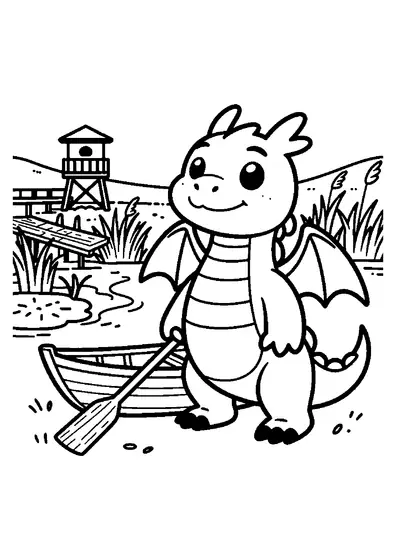
A friendly fluffy dragon wanders across the icy surface of a winter lake near a wooden sled.

A4 format (landscape), black outlines on a white background · for home and classroom use
All coloring pages: Dragon Coloring Pages
Similar coloring pages: Dragon Coloring Pages




What else can you print? Free, no account needed
Custom Name Coloring Pages
Enter your child's name to generate a custom coloring page featuring large outline letters to color and decorate.
Open generator →Connect the Dots Generator
Eight connect-the-dots pictures across three difficulty levels. Features faint outline guides for younger children and dots only for older kids.
Open generator →Printables
Worksheets, tracing lines, mazes and dot-to-dots in A4.
Browse printables →
Fluffy Winter Dragon on Lake Ice
A friendly fluffy dragon stands across the frozen surface of a peaceful winter lake. Near a natural stone rock along the ice, a small sled sits on the snow-covered shoreline. The winter landscape features cold icy ground framed by quiet snowy shores.
Winter Lakes and Ice Formation
Freshwater lakes freeze from the top down because water reaches its maximum density at thirty-nine degrees Fahrenheit before expanding as it freezes into ice. Ice floats on top of warmer liquid water, forming an insulating layer that allows fish and aquatic life to survive underneath during cold winters. Wooden sleds have been used for thousands of years to glide across ice and snow by distributing weight evenly across smooth wooden runners.
Real Colors of Winter Lakes and Snow
- Frozen lake ice: Pale sky blue, translucent white, and clear light gray
- Snowy shores: Crisp white with cool blue winter shadows
- Wooden sled: Natural timber brown, tan, and dark wood grain
- Fluffy dragon coat: Soft cream, pastel blue, or warm winter gray