
Soapmaker with a Workshop Mold
A craft scene depicts a traditional soapmaker at work inside a detailed workshop setting.

A4 format (landscape), black outlines on a white background · for home and classroom use
All coloring pages: Jobs and Professions Coloring Pages
Similar coloring pages: Jobs and Professions Coloring Pages

What else can you print? Free, no account needed
Custom Name Coloring Pages
Enter your child's name to generate a custom coloring page featuring large outline letters to color and decorate.
Open generator →Connect the Dots Generator
Eight connect-the-dots pictures across three difficulty levels. Features faint outline guides for younger children and dots only for older kids.
Open generator →Printables
Worksheets, tracing lines, mazes and dot-to-dots in A4.
Browse printables →
Traditional Soapmaker Workshop
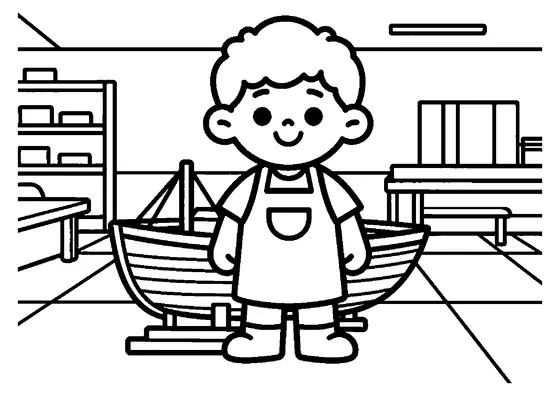
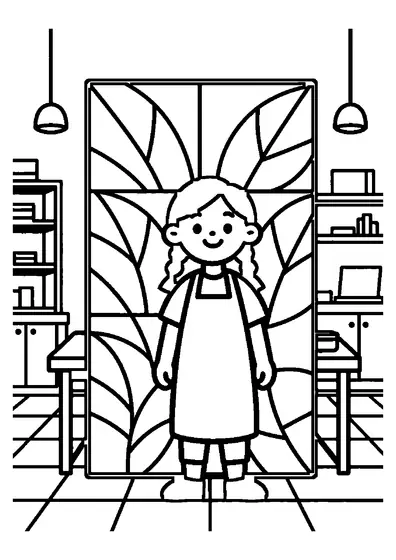
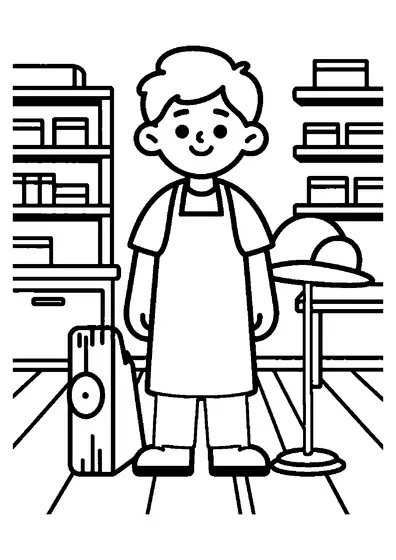
This scene highlights a traditional soapmaker standing next to a large soap mold and a mixing bowl. The surrounding workshop features organized shelves, a sturdy table, and tiled walls that form a clean background for craft production.
How Soap Molds Work in Soapmaking
Large block molds allow liquid soap mixtures to set and harden over several hours or days before being divided into smaller bars. Craftsmen line these containers to ensure smooth surfaces and easy removal after saponification completes. Controlling temperature during this resting phase helps create a uniform texture throughout the batch.
Real Colors of Soapmaking Equipment
- Soapmaker's shirt: light blue, white, or pastel tones common in craft studios
- Soap mold: natural wood grain, beige, or dark gray silicone
- Mixing bowl: metallic silver, off-white ceramic, or stainless steel gray
- Workshop table: warm brown oak or natural pine wood tones
- Tiled walls: crisp white, pale gray, or soft mint green tiles