
Hat Maker at a Wooden Hat Block
A craftsman shaping headwear in a traditional workshop offers a glimpse into historic trade traditions.

A4 format (portrait), black outlines on a white background · for home and classroom use
All coloring pages: Jobs and Professions Coloring Pages
Similar coloring pages: Jobs and Professions Coloring Pages



What else can you print? Free, no account needed
Custom Name Coloring Pages
Enter your child's name to generate a custom coloring page featuring large outline letters to color and decorate.
Open generator →Connect the Dots Generator
Eight connect-the-dots pictures across three difficulty levels. Features faint outline guides for younger children and dots only for older kids.
Open generator →Printables
Worksheets, tracing lines, mazes and dot-to-dots in A4.
Browse printables →
Traditional Hat Maker Workshop
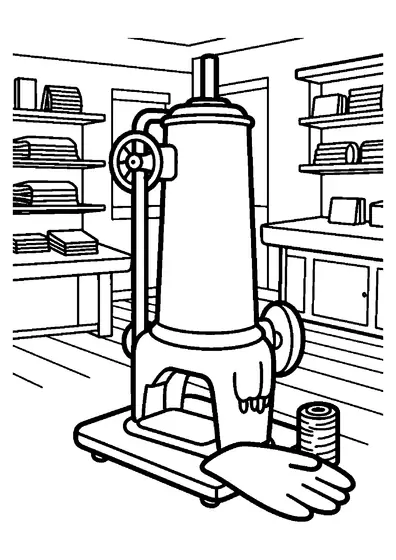
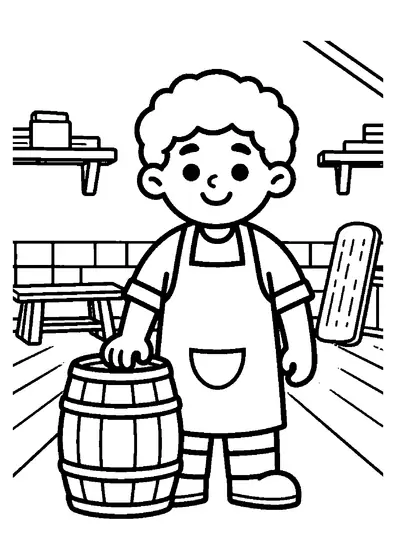
The scene displays a craftsman standing by a heavy wooden hat mold inside a room equipped with shelves, storage boxes, and specialist trade equipment. Hatters historically used carved wood blocks to mold felt and straw into structured headwear for daily wear.
Fascinating Facts About Millinery and Hat Blocks
Hat molds were carved out of dense hardwoods like maple or alder to withstand repeated steaming and moisture. Before industrial automation, a single custom hat required multiple stages of shaping, ironing, and trimming over several days.
Natural Colors of Hat Making Tools
- Wooden hat block: deep brown walnut tone or light oak shade
- Storage boxes: muted beige cardboard or dark wooden tone
- Workshop shelves: natural wood grain or soft gray finish
- Craftsman apron: dark brown leather or navy canvas fabric