
Cobbler with a Child's Shoe
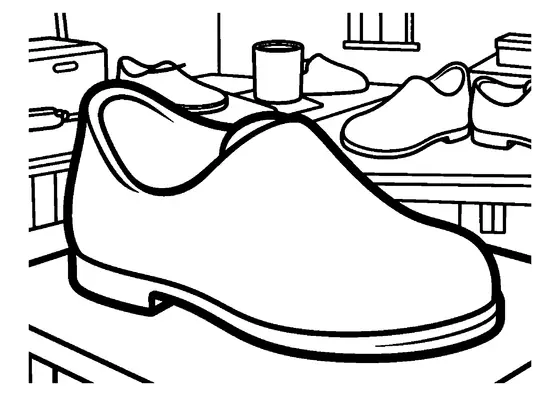
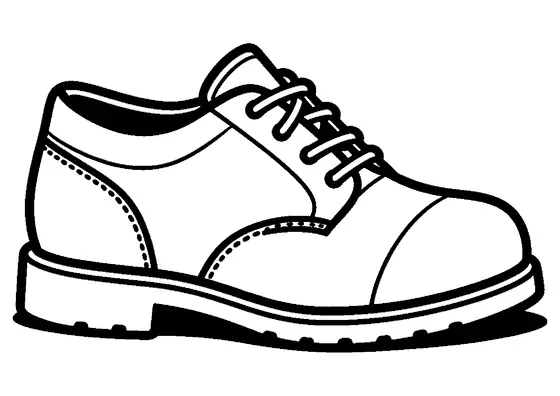
A shoemaker standing with a child's shoe showcases the traditional craft of cobbler footwear repair and leatherwork.

A4 format (portrait), black outlines on a white background · for home and classroom use
All coloring pages: Jobs and Professions Coloring Pages
Similar coloring pages: Jobs and Professions Coloring Pages


What else can you print? Free, no account needed
Custom Name Coloring Pages
Enter your child's name to generate a custom coloring page featuring large outline letters to color and decorate.
Open generator →Connect the Dots Generator
Eight connect-the-dots pictures across three difficulty levels. Features faint outline guides for younger children and dots only for older kids.
Open generator →Printables
Worksheets, tracing lines, mazes and dot-to-dots in A4.
Browse printables →
Shoemaker with Footwear
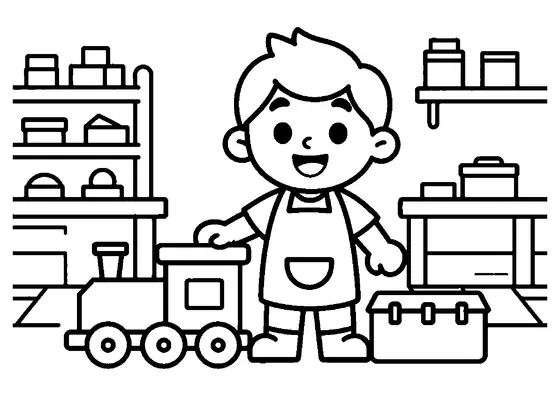
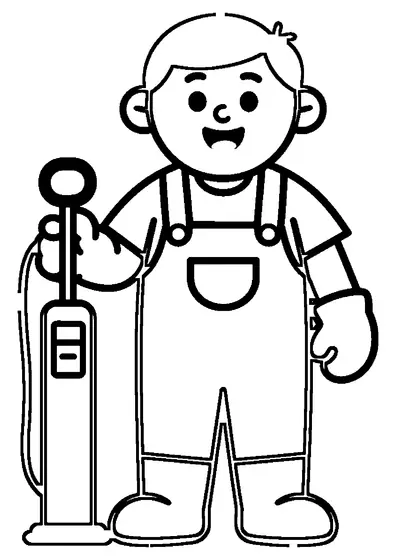
A skilled cobbler stands facing forward holding a large children's shoe, illustrating the historic trade of shoemaking and repair. Cobblers specialize in fixing soles, stitching worn seams, and replacing heels to extend the lifetime of quality footwear. Their specialized craft combines manual precision with deep knowledge of leather, rubber, and cordage.
Interesting Facts About Cobblers
Historically, cobblers focused strictly on repairing old shoes, while cordwainers were craftsmen who built brand-new shoes from raw leather hides. Traditional shoemakers use specialized iron lasts, which are solid foot-shaped molds used to hold shoes firmly in place during stitching and resoling. Repairing quality shoes rather than throwing them away saves natural resources and preserves comfortable, custom-fitted footwear for years.
Real Colors of Shoemaking and Shoes
- Children's shoe upper: Bright red, navy blue, yellow, or pink leather
- Shoe sole: Off-white rubber, dark gum, or natural brown leather
- Cobbler work apron: Dark brown leather, navy canvas, or beige denim
- Shoemaker work shirt: Olive green, check pattern, or heather gray fabric