
Ouranosaurus in a Railcar
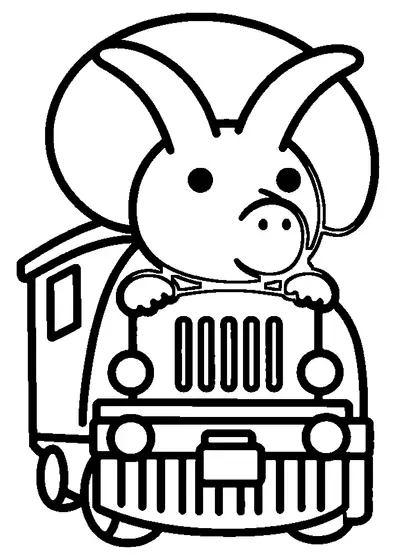
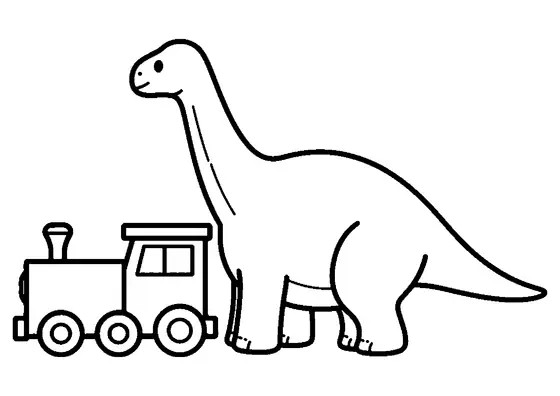
A sail-backed Ouranosaurus rides inside a self-propelled passenger railcar.

A4 format (landscape), black outlines on a white background · for home and classroom use
All coloring pages: Dinosaur Coloring Pages
Similar coloring pages: Dinosaur Coloring Pages


What else can you print? Free, no account needed
Custom Name Coloring Pages
Enter your child's name to generate a custom coloring page featuring large outline letters to color and decorate.
Open generator →Connect the Dots Generator
Eight connect-the-dots pictures across three difficulty levels. Features faint outline guides for younger children and dots only for older kids.
Open generator →Printables
Worksheets, tracing lines, mazes and dot-to-dots in A4.
Browse printables →
Ouranosaurus Riding in a Passenger Railcar
This depiction features an Ouranosaurus situated within a self-propelled railcar. The dinosaur displays its distinctive back sail alongside the structure of the passenger vehicle.
Understanding Ouranosaurus and Railcars
Ouranosaurus lived during the Early Cretaceous period in what is now West Africa. The high spines along its backbone supported a large sail or hump that helped regulate body temperature or store energy reserves. Self-propelled railcars carry their own internal engines, allowing single passenger cars to operate without a separate locomotive.
Genuine Colors of Ouranosaurus and Railcars
- Ouranosaurus skin: Sandy brown, ochre, or pale olive hues
- Ouranosaurus back sail: Vibrant red, orange, or patterned brown tones
- Railcar exterior: Crimson, navy blue, or silver painted metal
- Railcar window frames: Dark gray, black, or polished chrome