
Amargasaurus in an Electric Locomotive
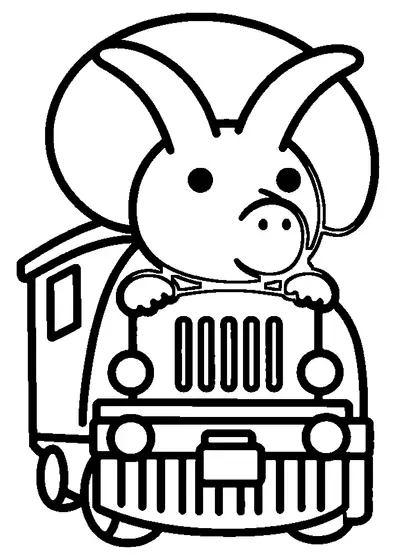
An Amargasaurus with striking double neck spines operates a powerful boxy electric locomotive.

A4 format (landscape), black outlines on a white background · for home and classroom use
All coloring pages: Dinosaur Coloring Pages
Similar coloring pages: Dinosaur Coloring Pages




What else can you print? Free, no account needed
Custom Name Coloring Pages
Enter your child's name to generate a custom coloring page featuring large outline letters to color and decorate.
Open generator →Connect the Dots Generator
Eight connect-the-dots pictures across three difficulty levels. Features faint outline guides for younger children and dots only for older kids.
Open generator →Printables
Worksheets, tracing lines, mazes and dot-to-dots in A4.
Browse printables →
Amargasaurus Operating an Electric Locomotive
An Amargasaurus commands a boxy electric locomotive built for heavy rail transport. The dinosaur's distinctive double row of neck spines rises noticeably above the control area of the large electric engine.
Fascinating Facts About Electric Trains and Amargasaurus
Electric locomotives draw power from overhead catenary wires or a third rail, producing zero direct emissions while pulling heavy loads. Amargasaurus was a South American sauropod famous for the tall, twin rows of elongated spines along its neck. Scientists believe these spines supported skin sails or keratin sheaths used for display, species recognition, or temperature regulation.
Realistic Colors of Amargasaurus and Electric Engines
- Amargasaurus body: dusty brown, sandy beige, or sage green
- Neck spines: dark reddish brown or patterned yellow and brown
- Electric locomotive body: cobalt blue, crimson red, or bright green
- Pantograph and overhead fixtures: dark gray or silver