
Polacanthus in Sunny Weather
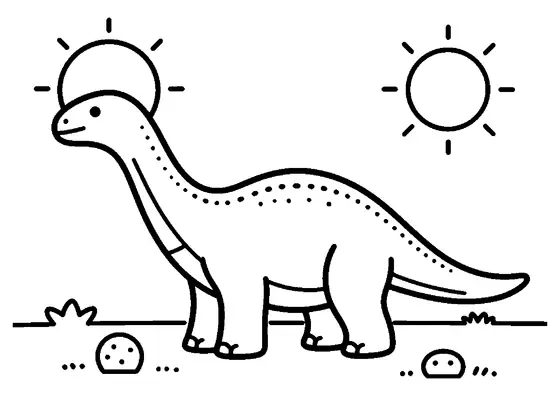
A heavily shielded Polacanthus stands under a bright sun outdoors.

A4 format (landscape), black outlines on a white background · for home and classroom use
All coloring pages: Herbivorous Dinosaur Coloring Pages
Similar coloring pages: Herbivorous Dinosaur Coloring Pages

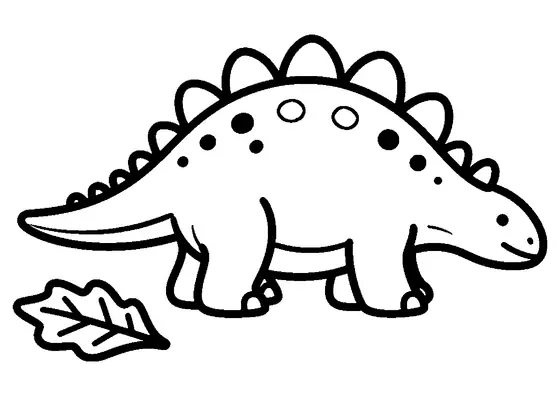


What else can you print? Free, no account needed
Custom Name Coloring Pages
Enter your child's name to generate a custom coloring page featuring large outline letters to color and decorate.
Open generator →Connect the Dots Generator
Eight connect-the-dots pictures across three difficulty levels. Features faint outline guides for younger children and dots only for older kids.
Open generator →Printables
Worksheets, tracing lines, mazes and dot-to-dots in A4.
Browse printables →
Polacanthus Under the Bright Sun
This illustration features Polacanthus, an armored herbivore distinguished by its broad hip shield and rounded protective spikes. A large sun shines overhead in an open sky above the dinosaur.
Discovering the World of Polacanthus
Polacanthus roamed Earth during the Early Cretaceous period in what is now Western Europe. Its distinctive pelvic shield consisted of a solid bone plate covering the hip area, offering structural protection against carnivores. Warm, sunny climates during the Cretaceous allowed large cold-blooded or low-metabolism reptiles to thrive in sunlit floodplains and coastal woodlands.
Natural Colors of Polacanthus and the Sun
- Polacanthus body scales: earthy brown or muted sage green
- Polacanthus hip shield and spikes: dark gray or brownish-black
- Polacanthus underbelly: light tan or pale gray
- Bright sun: vibrant golden yellow or intense warm yellow