
Pachycephalosaurus in a Meadow
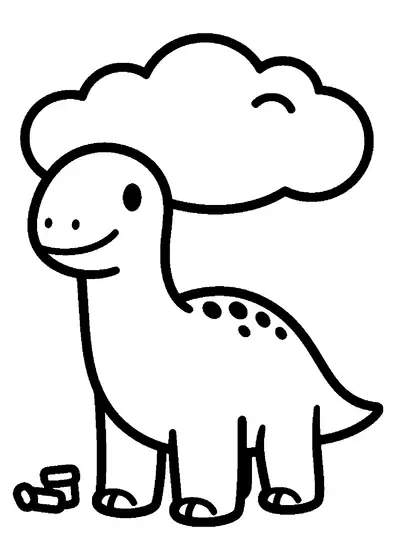
A Pachycephalosaurus stands in side view atop a grassy meadow, showcasing the thick bone dome covering its head.

A4 format (landscape), black outlines on a white background · for home and classroom use
All coloring pages: Herbivorous Dinosaur Coloring Pages
Similar coloring pages: Herbivorous Dinosaur Coloring Pages




What else can you print? Free, no account needed
Custom Name Coloring Pages
Enter your child's name to generate a custom coloring page featuring large outline letters to color and decorate.
Open generator →Connect the Dots Generator
Eight connect-the-dots pictures across three difficulty levels. Features faint outline guides for younger children and dots only for older kids.
Open generator →Printables
Worksheets, tracing lines, mazes and dot-to-dots in A4.
Browse printables →
Pachycephalosaurus Standing in a Meadow
The side view shows a Pachycephalosaurus positioned on grassy ground within an open meadow. Its defining feature is the thick, rounded bone structure atop its skull, framed by a compact body built for upright walking.
Fascinating Facts About Pachycephalosaurus
The skull roof of Pachycephalosaurus could reach up to nine inches in thickness. This dome was surrounded by small bony spikes and knobs along the back of the head, which may have served for species identification or visual display among rivals.
Real-World Colors of Pachycephalosaurus
- Body skin: sand brown, reddish tan, or olive gray
- Head dome: light bone gray, cream, or pale ochre
- Meadow grass: leaf green, yellow-green, or dry brown
- Underbelly: soft tan or pale yellow