
Orodromeus Beside a Large Boulder
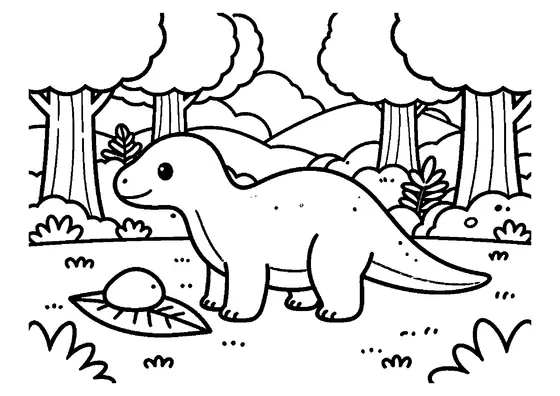
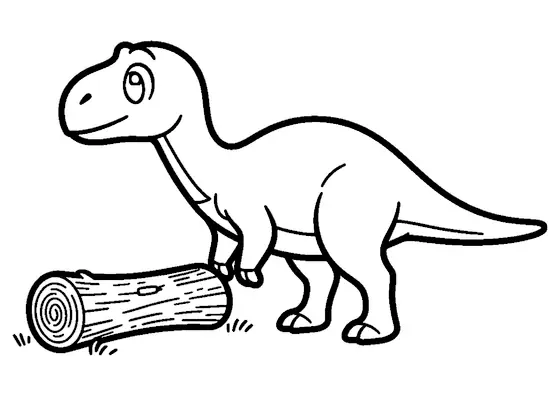
A swift, small Orodromeus pauses along an elevated trail right next to a massive oval rock and a pine cone.

A4 format (portrait), black outlines on a white background · for home and classroom use
All coloring pages: Herbivorous Dinosaur Coloring Pages
Similar coloring pages: Herbivorous Dinosaur Coloring Pages



What else can you print? Free, no account needed
Custom Name Coloring Pages
Enter your child's name to generate a custom coloring page featuring large outline letters to color and decorate.
Open generator →Connect the Dots Generator
Eight connect-the-dots pictures across three difficulty levels. Features faint outline guides for younger children and dots only for older kids.
Open generator →Printables
Worksheets, tracing lines, mazes and dot-to-dots in A4.
Browse printables →
Small Mountain Herbivore by a Rock
This agile prehistoric herbivore stands beside a prominent oval boulder and a fallen pine cone set along a quiet mountain pathway.
Insights Into the Life of Orodromeus
Fossils of Orodromeus indicate that it was built for fast running to escape larger predators in high-altitude environments. Paleontologists discovered its nests on high ground, showing it cared for its eggs in colonial nesting sites. Its slender bones helped reduce weight for rapid movement across steep mountain terrain.
Real World Colors of Orodromeus and Nature
- Dinosaur body: brownish gray with subtle camouflage markings on the back
- Mountain boulder: weathered gray granite or slate tones with pale highlights
- Fallen pine cone: rich bark brown or dark tan color
- Pathway soil: earthy reddish brown sand, gravel, and small rocks