
Edmontonia by a Pile of Bark
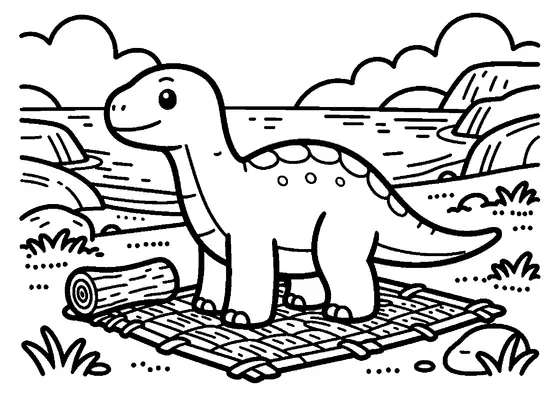
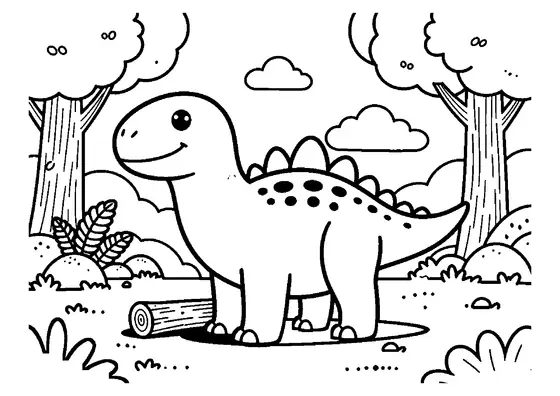
A heavy armored dinosaur stands alongside gathered tree bark along a forest trail.

A4 format (landscape), black outlines on a white background · for home and classroom use
All coloring pages: Herbivorous Dinosaur Coloring Pages
Similar coloring pages: Herbivorous Dinosaur Coloring Pages


What else can you print? Free, no account needed
Custom Name Coloring Pages
Enter your child's name to generate a custom coloring page featuring large outline letters to color and decorate.
Open generator →Connect the Dots Generator
Eight connect-the-dots pictures across three difficulty levels. Features faint outline guides for younger children and dots only for older kids.
Open generator →Printables
Worksheets, tracing lines, mazes and dot-to-dots in A4.
Browse printables →
Edmontonia Along the Woodland Path
This setting displays an Edmontonia positioned near a pile of bark strips beside a woodland path. The surrounding forest environment features natural trail elements.
Natural Features of Edmontonia and Forest Trails
Edmontonia was a nodosaurid ankylosaur covered in bony plates called osteoderms, along with prominent shoulder spikes. Tree bark protects living wood from moisture loss, fungal infections, and wood-boring insects. Forest floors in Cretaceous woodlands accumulated dense layers of organic debris, providing rich forage for armored plant eaters.
Realistic Color Palette
- Edmontonia armor plates: slate gray, dark brown, or olive green
- Shoulder spikes: pale bone yellow or weathered off-white
- Strips of tree bark: deep timber brown, copper, or dark gray
- Forest trail ground: damp soil brown, fallen leaf amber, and dark earth