
Raccoon by the Old Mill
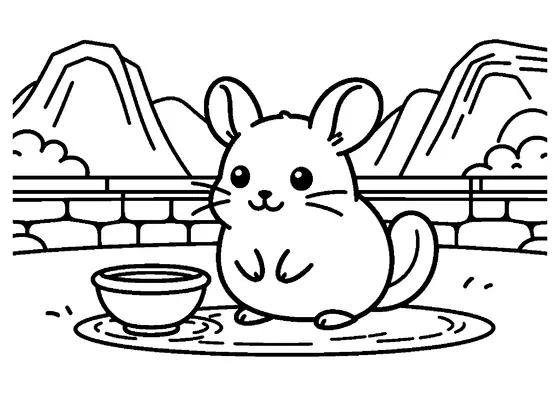
A curious raccoon rests beside a wooden tub near a rushing stream, an old stone mill, and a waterwheel.

A4 format (landscape), black outlines on a white background · for home and classroom use
All coloring pages: Coloring Pages for Girls
Similar coloring pages: Coloring Pages for Girls





What else can you print? Free, no account needed
Custom Name Coloring Pages
Enter your child's name to generate a custom coloring page featuring large outline letters to color and decorate.
Open generator →Connect the Dots Generator
Eight connect-the-dots pictures across three difficulty levels. Features faint outline guides for younger children and dots only for older kids.
Open generator →Printables
Worksheets, tracing lines, mazes and dot-to-dots in A4.
Browse printables →
An Old Stone Mill with a Raccoon by the Stream
Beside a flowing countryside stream, a raccoon pauses near a rustic wooden tub sitting outside an old stone mill. The historical mill features a large waterwheel mounted on the side of the weathered stone building.
How Watermills Work and Why Raccoons Visit Them
Historic watermills used the natural current of streams to turn heavy wooden waterwheels, generating power to grind grain into flour. Raccoons are nocturnal creatures that thrive near water sources because their sensitive front paws become even more dexterous when wet. Old mill streams provide rich foraging grounds where raccoons easily catch small crayfish, frogs, and aquatic insects.
Colors of the Historic Mill Scene
- Raccoon mask and fur: Black eye mask with dark gray fur and black-ringed tail
- Old stone building: Weathered granite gray, mossy brown, and slate
- Wooden waterwheel: Dark wet timber brown with green moss patches
- Countryside stream: Rippling sky blue, teal green, and white water spray
- Wooden tub: Rich chestnut brown with dark iron metal bands