
Easter Egg in a Flower Meadow
A large Easter egg embellished with geometric patterns emerges from a meadow of wild daisies and tall grass.

A4 format (landscape), black outlines on a white background · for home and classroom use
All coloring pages: Pattern and Ornament Coloring Pages
Similar coloring pages: Pattern and Ornament Coloring Pages
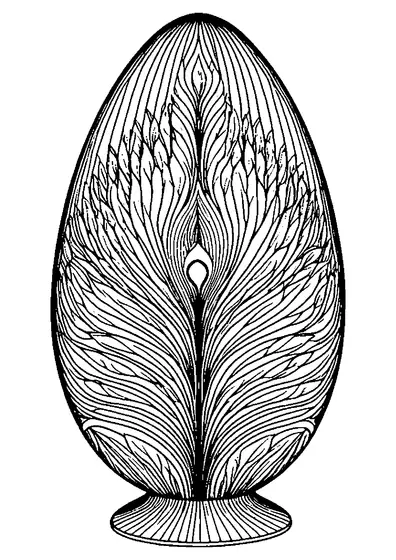




A Geometrically Patterned Egg in a Field of Daisies
At the center of the scene, a prominent Easter egg decorated with lace and geometric motifs rests amidst a meadow floor. Surrounding the base of the egg are blooming daisies and tall blades of grass, while the upper background remains completely clear.
Meadow Flowers and Grassland Habitats
Meadows serve as vital ecosystems housing hundreds of wild plant species, including native lawn daisies and perennial grasses. Daisies open their ray petals with the morning sun and close them at dusk, protecting their central yellow florets from evening dampness. Unplowed meadows provide shelter and forage for small field mice, ground-nesting birds, and wild bees.
Colors of Wild Daisies and Meadow Grasses
- Daisy petals: Crisp white or light pastel pink
- Daisy flower centers: Bright golden yellow
- Field grasses: Vibrant green, golden straw, or olive green
- Meadow soil: Dark loamy brown