
Cat in a Lace Cape
An upright cat in a lace-like cape sits within an oval wreath formed from leafy branches.

A4 format (portrait), black outlines on a white background · for home and classroom use
All coloring pages: Pattern and Ornament Coloring Pages
Similar coloring pages: Pattern and Ornament Coloring Pages


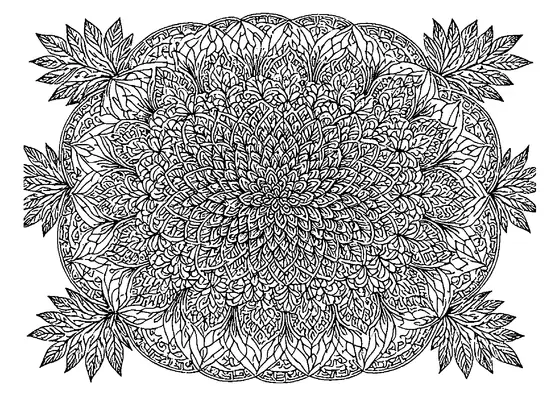


The Cat in Its Ornamental Cape
The cat sits facing forward, framed by a wreath of closely arranged foliage. Its body and cape carry dense repeating motifs inspired by lace and zentangle decoration, while smaller striped patterns appear on its head and ears. The combination of formal clothing and botanical framing gives the portrait a ceremonial character.
Facts About Lace, Capes, and Cat Ears
Traditional lace is created by arranging thread into open decorative patterns through methods such as looping, twisting, or knotting. A cape hangs from the shoulders and, unlike a coat, generally has no separate sleeves. Cats can rotate their ears toward sounds, helping them identify where faint noises originate.
Natural and Traditional Colors of the Motif
- Cat fur: black, white, cream, orange, brown, gray, or multicolored
- Cat eyes: green, yellow, amber, blue, or copper
- Inner ears and nose: commonly soft pink, brown, gray, or black depending on pigmentation
- Leaf wreath: fresh greens, yellow-green, or autumn shades of gold and brown
- Lace cape: traditionally white, ivory, cream, or black, though dyed lace can be almost any color