
Crane Among Water Grasses
A majestic crane stands in a clear pond among water grasses and irises, holding one ornate wing open.

A4 format (portrait), black outlines on a white background · for home and classroom use
All coloring pages: Ornate Animal Coloring Pages
Similar coloring pages: Ornate Animal Coloring Pages



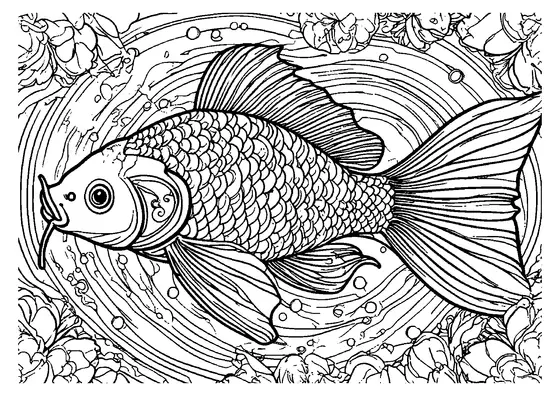
A Crane Among Water Grasses
The crane stands in the water with an elegantly spread wing and richly ornamented feathers. Aquatic plants and irises grow around the bird, and circular ripples mark the pond surface near its legs. The open upper background keeps attention on the crane and the wetland vegetation below.
Wetland Facts About Cranes
Shallow wetlands give cranes access to a varied diet that can include seeds, plant matter, insects, and small aquatic animals. Their long legs allow them to walk through water while keeping most of their feathers dry. Irises often grow in damp soil near ponds and marshes, where their underground stems help them return in a new growing season.
Natural Colors of the Crane and Pond Plants
- Crane body feathers: commonly gray, white, black, or a combination that depends on the species
- Crane wing feathers: white, gray, or black, sometimes with contrasting tips
- Crane bill and legs: usually gray, dark brown, black, tan, or muted pink
- Iris petals: often violet, blue, yellow, white, or purple
- Water grasses: fresh green in active growth, becoming straw-colored or brown when dry