
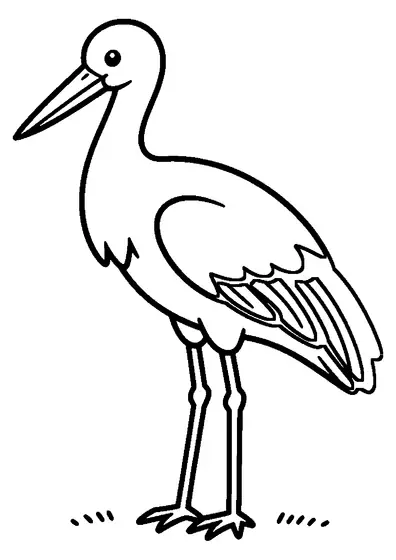
Goose on a Grassy Bank
A calm depiction of a long-necked goose standing upright on a grassy embankment.

A4 format (portrait), black outlines on a white background · for home and classroom use
All coloring pages: Woodland Animal Coloring Pages
Similar coloring pages: Woodland Animal Coloring Pages


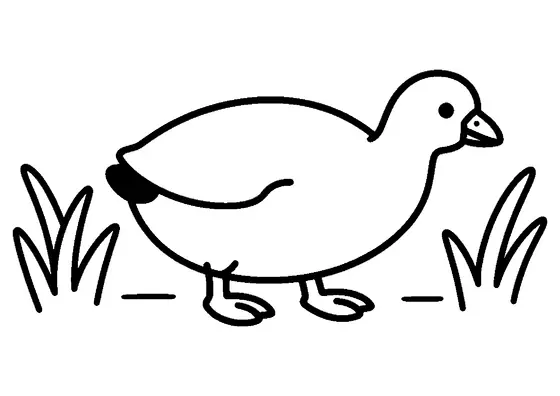


What else can you print? Free, no account needed
Custom Name Coloring Pages
Enter your child's name to generate a custom coloring page featuring large outline letters to color and decorate.
Open generator →Connect the Dots Generator
Eight connect-the-dots pictures across three difficulty levels. Features faint outline guides for younger children and dots only for older kids.
Open generator →Printables
Worksheets, tracing lines, mazes and dot-to-dots in A4.
Browse printables →
A Goose Resting on the Grass
A goose stands peacefully on a grassy hill near the water. The bird features a tall, slender neck, a sturdy broad bill, and a prominent folded wing across its body.
Behaviors and Traits of Geese
Geese often gather on open grassy banks where they can easily spot potential predators while grazing. They eat large quantities of fresh grass, roots, and seeds throughout the day. When resting on shore, geese frequently stand on one leg to conserve body heat.
Colors of Geese in Nature
- Goose neck and head: dark brown or black
- Body plumage: subtle shades of gray and white
- Goose bill: orange, pink, or dark gray
- Grassy slope: vibrant green