
Coot by the Reeds
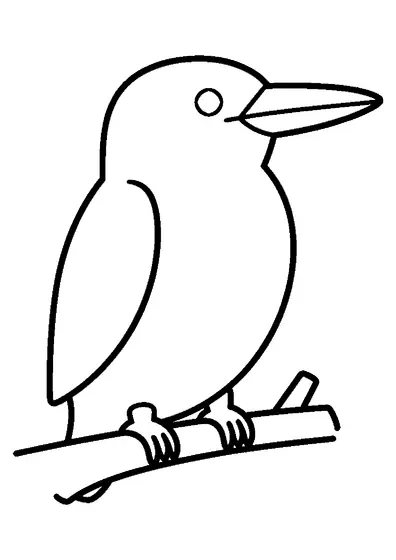
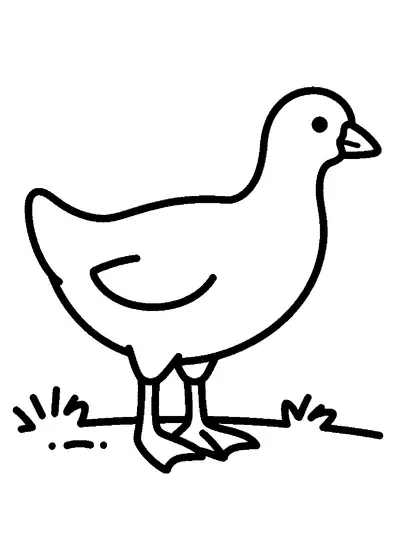
A distinct wetland bird standing near tall reed stalks along the water.

A4 format (landscape), black outlines on a white background · for home and classroom use
All coloring pages: Woodland Animal Coloring Pages
Similar coloring pages: Woodland Animal Coloring Pages



What else can you print? Free, no account needed
Custom Name Coloring Pages
Enter your child's name to generate a custom coloring page featuring large outline letters to color and decorate.
Open generator →Connect the Dots Generator
Eight connect-the-dots pictures across three difficulty levels. Features faint outline guides for younger children and dots only for older kids.
Open generator →Printables
Worksheets, tracing lines, mazes and dot-to-dots in A4.
Browse printables →
A Coot Standing Near Wetland Reeds
A coot stands on the shoreline beside tall reeds. The water bird displays a rounded body shape, a pale bill paired with a white forehead shield, and oversized feet adapted for marshy ground.
Unique Characteristics of Coots
Unlike ducks, coots do not have fully webbed feet; instead, their long toes feature wide lobed flaps that expand to push water and collapse to walk on muddy terrain. The bright white shield on their forehead helps coots signal status to other members of their flock in dense reed beds. Coots are active foragers that dive underwater or search through shoreline reeds for plants and small invertebrates.
True Colors of a Coot
- Coot body: dark slate gray or charcoal black
- Forehead shield and bill: stark white
- Coot eyes: striking dark red
- Lobed feet: greenish gray