
Ladybug on a Wicker Plant Pot Cover
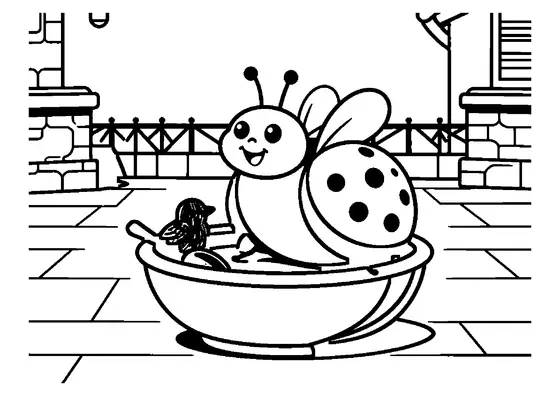
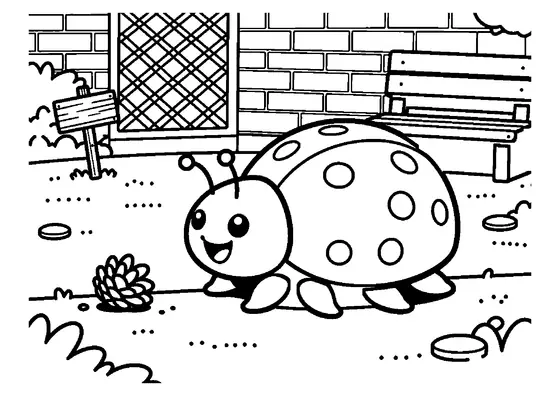
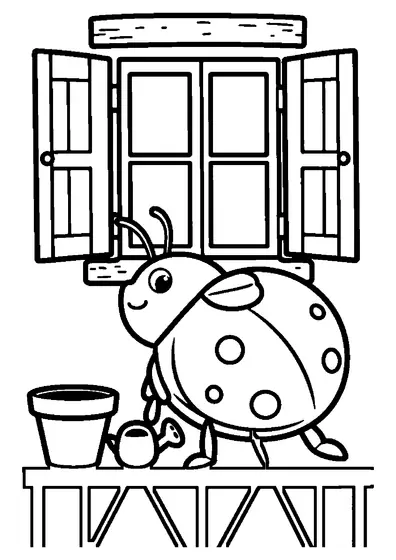
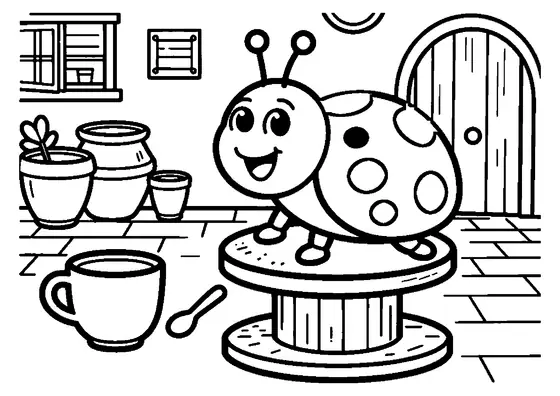
A tiny ladybug perches on the woven strands of a wicker pot cover situated on an outdoor patio.

A4 format (portrait), black outlines on a white background · for home and classroom use
All coloring pages: Ladybug Coloring Pages
Similar coloring pages: Ladybug Coloring Pages


What else can you print? Free, no account needed
Custom Name Coloring Pages
Enter your child's name to generate a custom coloring page featuring large outline letters to color and decorate.
Open generator →Connect the Dots Generator
Eight connect-the-dots pictures across three difficulty levels. Features faint outline guides for younger children and dots only for older kids.
Open generator →Printables
Worksheets, tracing lines, mazes and dot-to-dots in A4.
Browse printables →
A Ladybug Resting on Wicker Basketry
This patio garden illustration features a ladybug crawling along the intricate woven texture of a wicker plant pot cover. The setting represents a peaceful outdoor balcony or porch where container plants are displayed.
The Craft of Wicker Container Covers
Wicker pot covers are traditionally hand-woven from flexible natural materials such as rattan, willow, or bamboo strips. The gaps between the woven fibers create ideal tiny hiding places for small beneficial insects seeking refuge from wind or predators.
Real Colors of Wicker Plant Containers
- Natural woven wicker: Warm straw yellow, light beige, or golden tan
- Ladybug body shell: Bright crimson red or orange-yellow
- Spot pattern on wings: Solid black
- Pot rim underside: Soft shadow gray or muted brown
- Plant leaves inside pot: Rich forest green