
Ladybug Beside a Stone Birdbath on the Patio
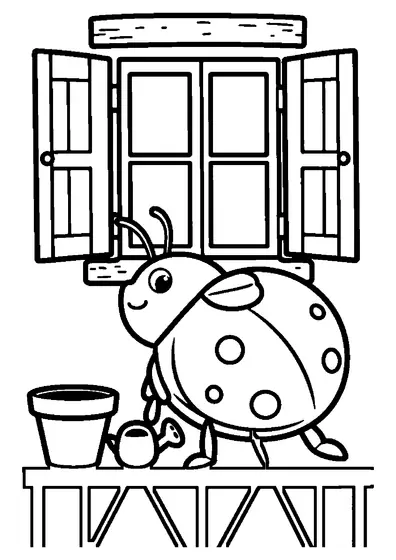
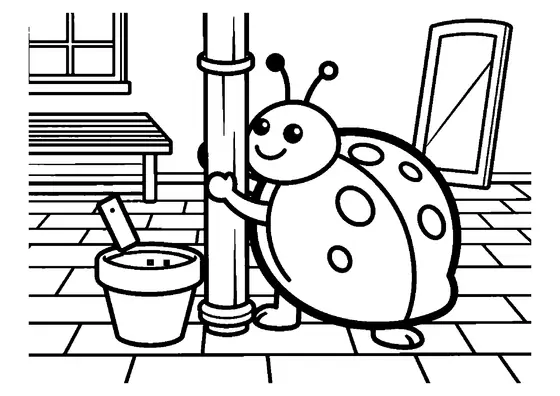
A solitary ladybug rests on the edge of a stone birdbath set upon a paved patio.

A4 format (landscape), black outlines on a white background · for home and classroom use
All coloring pages: Ladybug Coloring Pages
Similar coloring pages: Ladybug Coloring Pages




What else can you print? Free, no account needed
Custom Name Coloring Pages
Enter your child's name to generate a custom coloring page featuring large outline letters to color and decorate.
Open generator →Connect the Dots Generator
Eight connect-the-dots pictures across three difficulty levels. Features faint outline guides for younger children and dots only for older kids.
Open generator →Printables
Worksheets, tracing lines, mazes and dot-to-dots in A4.
Browse printables →
Ladybug Resting by a Patio Birdbath
This scene features a ladybug perched on the carved rim of a stone birdbath located on a patio space. Stone fixtures in sunny outdoor areas absorb warmth throughout the day, attracting small insects to their smooth surfaces.
Natural Water Sources in the Garden
Stone birdbaths provide essential moisture for garden wildlife during warm periods. While designed primarily for birds, the moist stone rim allows beneficial insects like ladybugs to drink shallow water drops safely without risk of drowning. Patios made of stone or brick retain solar heat, creating comfortable resting spots for active garden beetles.
True Colors of the Birdbath Scene
- Ladybug elytra: glossy red or deep coral with black spots
- Ladybug thorax and head: black with white accent spots
- Stone birdbath: light gray, slate blue, or weathered granite tones
- Patio surface: warm terracotta brick, buff sandstone, or charcoal pavers