
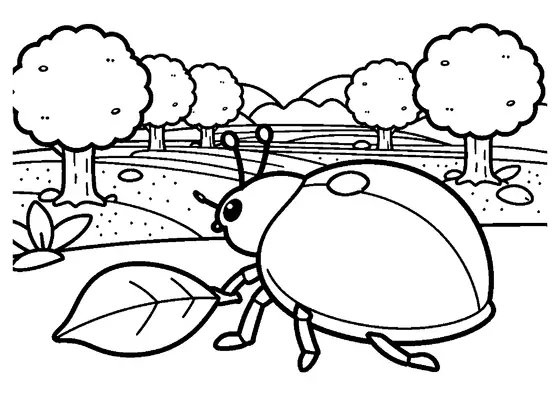
Ladybug on a Coastal Sand Dune
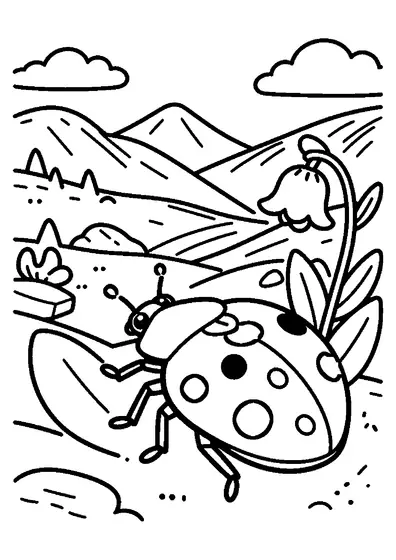
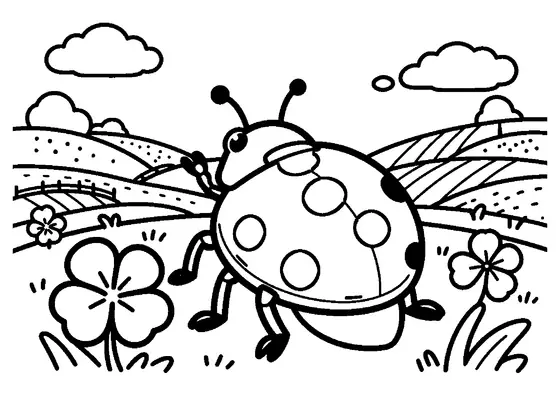
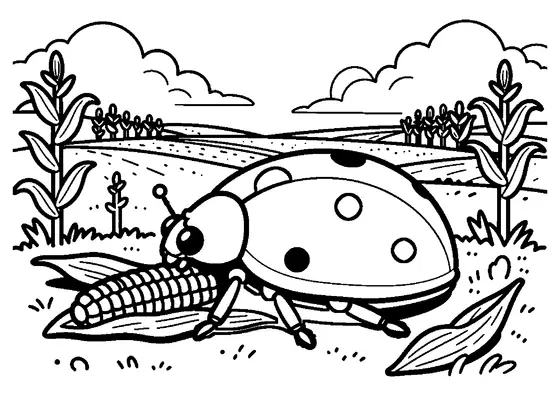
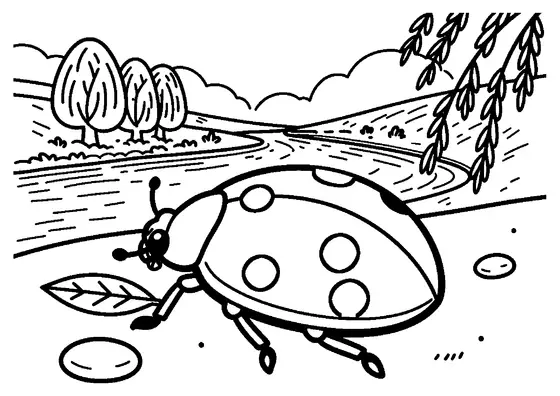
Near the ocean coast, a ladybug perches on sea holly growing over sandy coastal dunes.

A4 format (landscape), black outlines on a white background · for home and classroom use
All coloring pages: Ladybug Coloring Pages
Similar coloring pages: Ladybug Coloring Pages

What else can you print? Free, no account needed
Custom Name Coloring Pages
Enter your child's name to generate a custom coloring page featuring large outline letters to color and decorate.
Open generator →Connect the Dots Generator
Eight connect-the-dots pictures across three difficulty levels. Features faint outline guides for younger children and dots only for older kids.
Open generator →Printables
Worksheets, tracing lines, mazes and dot-to-dots in A4.
Browse printables →
Coastal Dune Scene with a Ladybug and Sea Holly
A ladybug rests upon the foliage of a sea holly plant anchored in coastal sand dunes. In the background, ocean waters meet the shoreline along a windy shoreline landscape.
Unique Adaptations of Coastal Dune Plants
Sea holly thrives in sandy coastal environments because its thick, waxy leaves reduce water loss from ocean winds. Deep root systems hold the shifting sand in place and prevent dunes from eroding into the sea. Small insects like ladybugs take cover under these tough seaside plants to escape harsh sea breezes.
True Colors of Coastal Dunes and Ladybugs
- Ladybug elytra: Bright red-orange with dark spots
- Sea holly foliage: Bluish-green with pale silver edges
- Sand dunes: Pale golden tan
- Ocean waters: Deep blue with white foam