
Ladybug in a Reedy Wetland
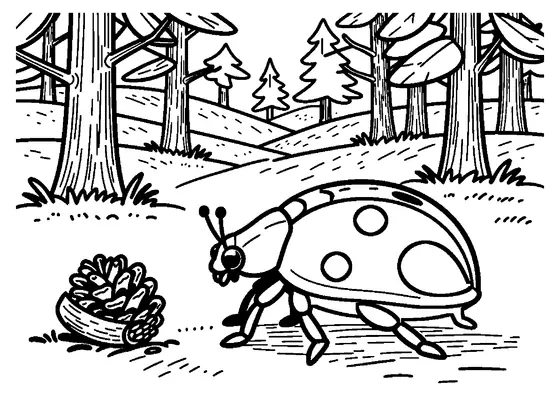
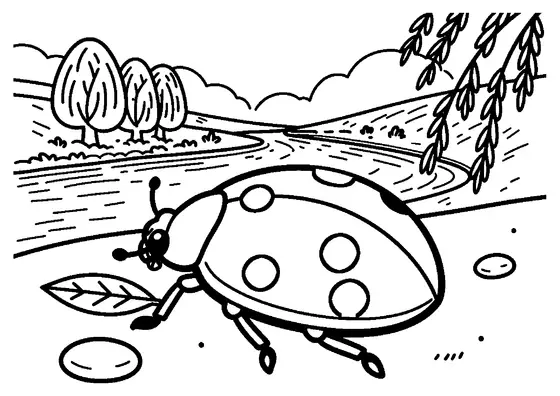
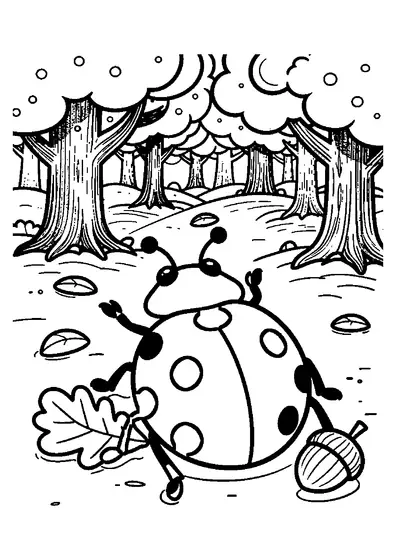
In a reedy wetland, a ladybug prepares to take flight from a sweet flag leaf near marsh waters.

A4 format (portrait), black outlines on a white background · for home and classroom use
All coloring pages: Ladybug Coloring Pages
Similar coloring pages: Ladybug Coloring Pages



What else can you print? Free, no account needed
Custom Name Coloring Pages
Enter your child's name to generate a custom coloring page featuring large outline letters to color and decorate.
Open generator →Connect the Dots Generator
Eight connect-the-dots pictures across three difficulty levels. Features faint outline guides for younger children and dots only for older kids.
Open generator →Printables
Worksheets, tracing lines, mazes and dot-to-dots in A4.
Browse printables →
Wetland Habitat with a Flying Ladybug
A ladybug unfolds its wings while perched on a sweet flag blade in a marshland setting. Surrounding reed stalks grow up along open stretches of shallow wetland water.
Fascinating Facts About Wetland Vegetation
Sweet flag and wetland reeds filter water naturally by absorbing nutrients and trapping sediments as currents flow through marshes. These tall aquatic plants offer sheltered resting spots for flying insects when wind conditions change. Ladybugs spread their thin inner wings stored beneath their hard outer covers before taking off.
Natural Colors of Wetland Insects and Flora
- Ladybug hard shell covers: Bright red with black spots
- Ladybug flying wings: Translucent brownish-amber
- Sweet flag leaves: Bright yellowish-green
- Marsh water stretches: Muted blue-gray