
Mare and Foal by a Birch Fence
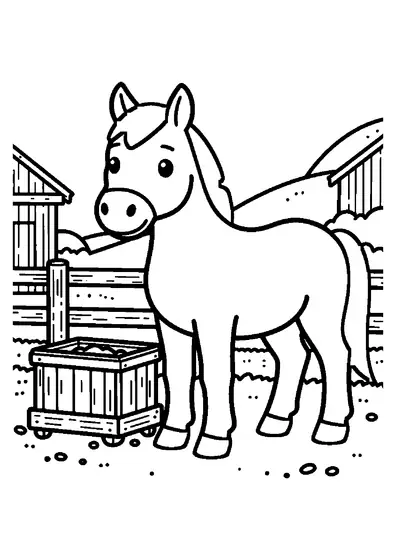
A gentle mare stays close to her young foal beside a wooden birch fence in a quiet rural pasture with birch trees.

A4 format (landscape), black outlines on a white background · for home and classroom use
All coloring pages: Horse Coloring Pages
Similar coloring pages: Horse Coloring Pages



What else can you print? Free, no account needed
Custom Name Coloring Pages
Enter your child's name to generate a custom coloring page featuring large outline letters to color and decorate.
Open generator →Connect the Dots Generator
Eight connect-the-dots pictures across three difficulty levels. Features faint outline guides for younger children and dots only for older kids.
Open generator →Printables
Worksheets, tracing lines, mazes and dot-to-dots in A4.
Browse printables →
Mares and Foals in Country Pastures
Mares form extraordinarily strong emotional bonds with their newborn foals during their first months together in open pastures. Standing near a rustic birch fence, the protective mother keeps a constant eye on her offspring as it learns to navigate outdoor surroundings.
Early Growth of Young Foals
Foals are able to stand and walk within an hour after birth, which is a critical survival instinct inherited from wild horse herds. During their early weeks, foals stay right beside their mothers to nurse, rest, and observe adult horse behaviors. The distinctive white bark of surrounding birch trees provides a pleasant natural environment for young horses as they grow stronger.
Real-Life Colors of Horses and Birch Wood
- Mare coat: rich chestnut, bay brown, black, or palomino gold
- Foal coat: lighter shade of the mother's color with soft downy hair
- Birch tree bark: white with dark horizontal lenticels and rough black bases
- Birch fence rails: pale cream wood with gray or black bark patches
- Pasture grass: vibrant spring green or soft summer olive tones