
Foal by a Stone Wall Covered in Country Vines
A curious foal walks beside an old stone wall overgrown with thick climbing vines and ivy in the countryside.

A4 format (landscape), black outlines on a white background · for home and classroom use
All coloring pages: Foal Coloring Pages
Similar coloring pages: Foal Coloring Pages


What else can you print? Free, no account needed
Custom Name Coloring Pages
Enter your child's name to generate a custom coloring page featuring large outline letters to color and decorate.
Open generator →Connect the Dots Generator
Eight connect-the-dots pictures across three difficulty levels. Features faint outline guides for younger children and dots only for older kids.
Open generator →Printables
Worksheets, tracing lines, mazes and dot-to-dots in A4.
Browse printables →
Young Foal Next to an Overgrown Stone Wall
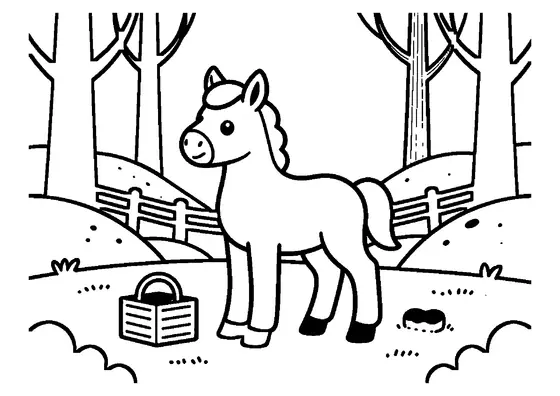
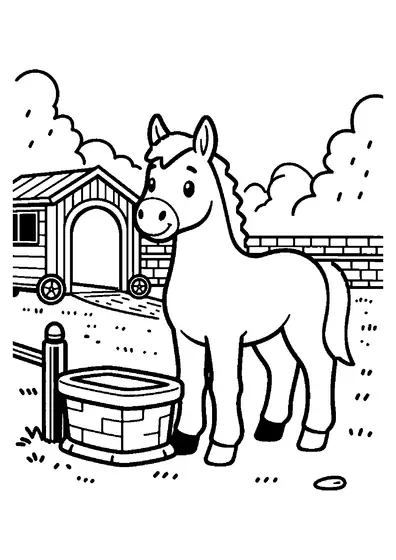
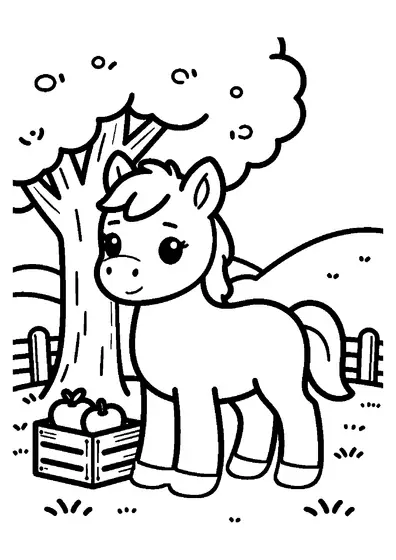
This rural scene depicts a young foal strolling alongside a weathered stone wall covered in climbing vines and ivy. The historic masonry structure creates a classic farm backdrop where a young horse can safely explore outdoor pasture edges.
The History of Countryside Stone Walls
Dry stone walls have been built across countryside pastures for centuries without using mortar or cement to hold the stones together. Over time, wild ivy and climbing vines anchor themselves in small rock crevices, forming green natural habitats for small birds and helpful insects.
Authentic Colors for a Rustic Wall Scene
- Foal coat: Black, gray, chestnut, or pinto pattern with mixed white patches
- Old stone wall: Slate gray, fieldstone brown, warm beige, and granite gray shades
- Climbing vines: Fresh emerald green, dark moss green, or deep olive foliage
- Vine stems: Woody brown, tan, or dark greyish vine tendrils
- Foal hooves: Natural horn beige, slate gray, or dark charcoal tone