
Foal at an Old Coaching Inn
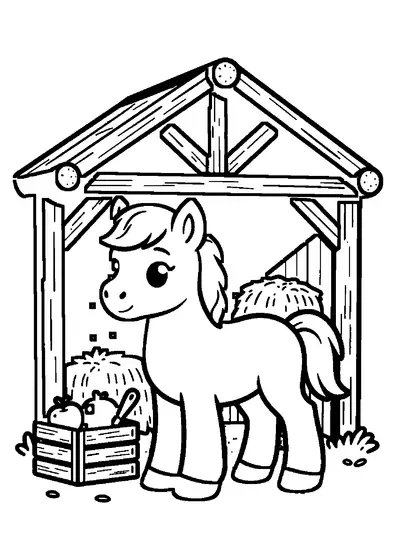
In the cobbled courtyard of a historic coaching inn, a curious foal rests beside a stone water trough near a carriage house gate.

A4 format (portrait), black outlines on a white background · for home and classroom use
All coloring pages: Foal Coloring Pages
Similar coloring pages: Foal Coloring Pages




What else can you print? Free, no account needed
Custom Name Coloring Pages
Enter your child's name to generate a custom coloring page featuring large outline letters to color and decorate.
Open generator →Connect the Dots Generator
Eight connect-the-dots pictures across three difficulty levels. Features faint outline guides for younger children and dots only for older kids.
Open generator →Printables
Worksheets, tracing lines, mazes and dot-to-dots in A4.
Browse printables →
Foals at Historic Coaching Inns
A young horse stands peacefully beside a carved stone water trough within the cobblestone courtyard of a traditional coaching inn, surrounded by historic gates and an ancient carriage house. Historic inns served as vital stopping points where travel horses were fed, watered, and rested along historic carriage routes.
History of Coaching Inns and Stagecoach Travel
Before modern motor vehicles were invented, travelers relied on horse-drawn stagecoaches for long distance transportation across countryside roads. Coaching inns were established every ten to fifteen miles along major travel routes, offering fresh team horses, stabling facilities, water troughs, and overnight lodging for passengers. Stable yards were designed with durable stone paving to withstand heavy iron horse shoes and heavy wooden carriage wheels.
Authentic Colors of Historic Coaching Courtyards
- Standing foal coat: palomino golden yellow, dapple gray, or deep brown
- Stone water trough: cool granite gray or weathered mossy limestone
- Cobblestone courtyard floor: mixed shades of slate gray, tan, and charcoal
- Coaching inn wooden gates: dark walnut stain or forest green paint
- Historic carriage house brickwork: warm terracotta red or antique brown brick