
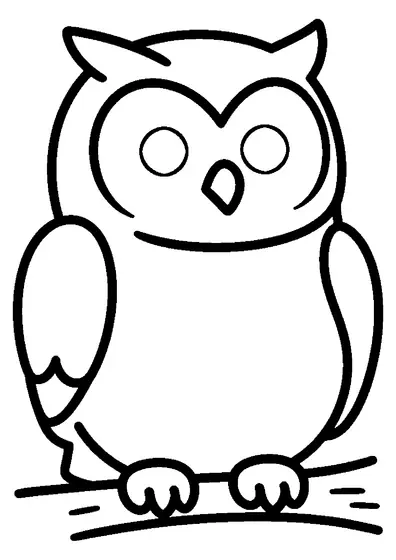
Penguin at the Zoo
A chubby aquatic bird under zookeeper care forms the centerpiece of this wildlife presentation.

A4 format (portrait), black outlines on a white background · for home and classroom use
All coloring pages: Farm Animal Coloring Pages
Similar coloring pages: Farm Animal Coloring Pages




What else can you print? Free, no account needed
Custom Name Coloring Pages
Enter your child's name to generate a custom coloring page featuring large outline letters to color and decorate.
Open generator →Connect the Dots Generator
Eight connect-the-dots pictures across three difficulty levels. Features faint outline guides for younger children and dots only for older kids.
Open generator →Printables
Worksheets, tracing lines, mazes and dot-to-dots in A4.
Browse printables →
Aquatic Penguin in a Zoo Environment
Penguins kept in zoological parks are well-adapted flightless birds featuring a rotund body shape, short tapered beaks, webbed feet, and compact flipper wings. Zoo habitats construct specialized climate-controlled pools and rocky resting areas tailored to the specific thermal needs of polar or temperate penguin species. Professional caretakers monitor their feeding routines and ensure clean aquatic facilities.
Facts About Zoo Penguin Habitats
Many zoo penguin enclosures feature underwater viewing glass so visitors can watch penguins swim at speeds reaching fifteen miles per hour. Zookeepers feed each penguin individual whole fish by hand to monitor exactly how much food every bird consumes daily. Penguins communicate through loud braying calls that sound remarkably similar to the braying of donkeys.
Real World Penguin Colors
- Back and flipper feathers: deep black or dark slate gray
- Chest and belly feathers: pure white
- Beak surfaces: dark gray with yellow or orange side accents
- Webbed feet: pinkish gray or dark black skin
- Eye irises: dark reddish brown