
Rhodesian Ridgeback Under an Acacia Tree
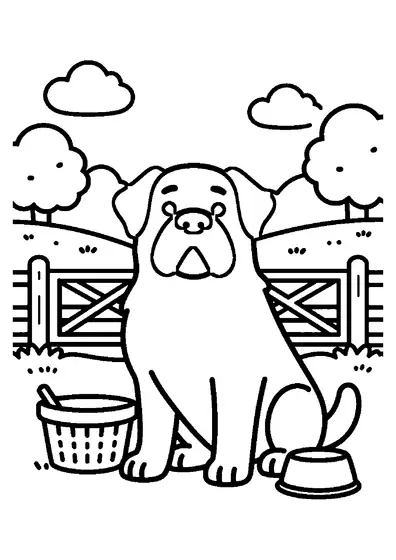
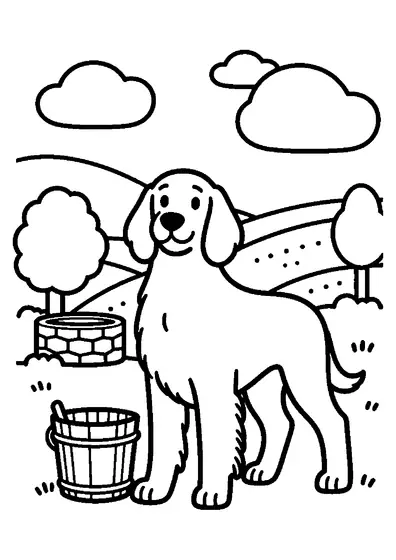
A broad-chested Rhodesian Ridgeback stands on open grassy plains near a spreading acacia tree and outdoor play props.

A4 format (landscape), black outlines on a white background · for home and classroom use
All coloring pages: Dog Coloring Pages
Similar coloring pages: Dog Coloring Pages


What else can you print? Free, no account needed
Custom Name Coloring Pages
Enter your child's name to generate a custom coloring page featuring large outline letters to color and decorate.
Open generator →Connect the Dots Generator
Eight connect-the-dots pictures across three difficulty levels. Features faint outline guides for younger children and dots only for older kids.
Open generator →Printables
Worksheets, tracing lines, mazes and dot-to-dots in A4.
Browse printables →
Rhodesian Ridgebacks in African Plain Environments
A Rhodesian Ridgeback stands on sprawling grassland near a wide acacia tree surrounded by scattered rocks. On the ground nearby sit a dog bowl and a play ball. This sunlit outdoor scene evokes the native Southern African landscape where these athletic hound dogs historically roamed and worked alongside big game hunters.
Remarkable Facts About Rhodesian Ridgebacks
The defining feature of the Rhodesian Ridgeback is a stripe of hair along its spine that grows in the opposite direction from the rest of the coat. Bred by European settlers and indigenous Khoikhoi people, these dogs were famous for tracking lions and keeping them at bay until hunters arrived. Their short, dense coat is specially adapted to withstand high temperatures and rough brush.
Authentic Colors of Ridgebacks and Savanna Landscapes
- Ridgeback coat: light wheaten to red wheaten shade across short glossy fur
- Ridgeback nose: black, brown, or liver pigment matching the dog's coat tones
- Acacia tree foliage: dusty olive green leaves on dark brown canopy branches
- Savanna rocks and soil: warm ochre, reddish-brown earth, and weathered tan boulders
- Play ball: bright primary colors like yellow or red rubber visible against dry grass